
Maritime recruitment has long been a labyrinth of paperwork, phone calls, and emails, but technology is finally rewriting the script. Digital platforms, AI-powered matchmaking, and automated onboarding tools are transforming how shipping companies and seafarers connect, closing talent gaps, ensuring compliance, and creating a more transparent, scalable recruitment lifecycle.
Maritime recruitment technology refers to a range of digital tools, platforms, and systems specifically built for the seafaring and shipping industry to streamline hiring, compliance, and crew management. Rather than relying on emails, spreadsheets, and in-person interviews, these technologies bring everything online: candidate sourcing, applicant tracking (ATS), certificate verification, contract generation, and even onboarding. Platforms like Seafair use algorithms to match seafarers’ skills and backgrounds to open roles, automating many of the back-office tasks of crewing offices. Similarly, specialized recruitment software such as that from Martide offers marine recruitment modules that track certification expiry (e.g., STCW, MLC), generate rank-specific CVs, and filter candidates intelligently.
Technology today is no longer a “nice to have” in maritime hiring, it’s essential. Here are some of the key reasons:
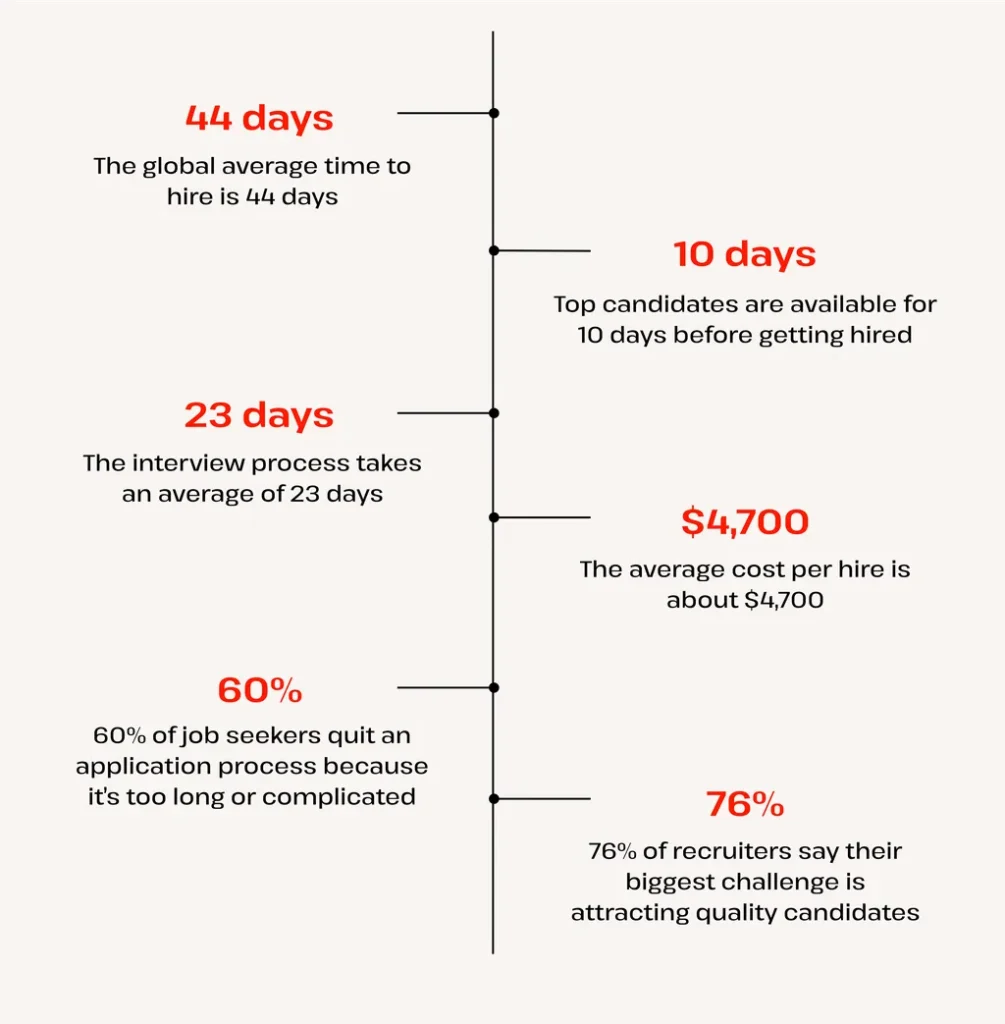
Speed & Efficiency: Traditional hiring cycles in maritime are notoriously slow: certificates must be checked, references verified, and many documents moved physically or by email. Digital tools automate much of this, drastically reducing time to hire. For instance, Danica Maritime reported that by integrating WhatsApp into its recruitment system, it cut the lead time to close vacancies by 33%.
Global Reach: The maritime labor market is inherently international, and recruiting globally presents logistical and compliance challenges. Digital platforms centralize seafarers’ profiles, work histories, and certifications, making it possible to recruit across borders more reliably. As The Mission to Seafarers notes, digital platforms remove traditional friction and promote fairer, more transparent global hiring.
Compliance & Credential Management: Safety and regulation are paramount at sea. Technologies help recruiters and HR teams digitize certification tracking, alert on certificate expiry, and validate documentation, reducing risk and ensuring seafarers stay compliant.
Better Candidate Experience: Seafarers may be onshore, off-shift, or even on a vessel; platforms built with mobile-first design and responsive communication tools (chatbots, messaging) make applying and tracking applications easier and more reliable.
Transparency & Trust: Digitized recruitment gives seafarers clear visibility into what is required, the stage of their application, and the next steps. On the employer’s side, automated verification and algorithmic matching help reduce fraud and ensure candidates are genuine.
Digital recruitment platforms are revolutionizing how seafarers and shipping companies find and evaluate each other. Key mechanisms include:
Profile Building: Seafarers create rich online profiles, their sea service, certificates, ranks, vessel types, and even performance notes. These are stored in structured, searchable ways.
AI Matching: Rather than manually sifting through CVs, AI-powered systems analyze candidates’ profiles, match them to job requirements, and suggest the best-fit roles.
Certificate Verification: Some platforms support automated verification of credential images, flagging expired or invalid documents.
Chatbots & Messaging: Automated chat tools (via WhatsApp or web) guide candidates through initial screening. For example, Danica’s system sends vacancy alerts and asks screening questions automatically, which keeps candidates engaged without the recruiter needing to do everything manually.
Predictive Analytics: Advanced systems can forecast a candidate’s likelihood to accept a role, remain on board, or progress, helping recruiters focus on higher-quality matches.
Centralized Communication: Digital platforms bring candidate communications, document exchange, and tracking into one system, reducing lost emails or bottlenecks.
Without modern recruitment technology, maritime recruiters often struggle with slow hiring cycles, limited talent pools, non-compliance risks, poor candidate engagement, administrative overload, and fraud documentation issues.
Automation is no longer just a support tool, it’s a core driver of the future of maritime recruitment:
Automated Screening: AI tools automatically assess applications, check credentials, and rank candidates, so recruiters only review the top matches.
Onboarding Automation: Once a candidate is hired, automation takes over: collecting medical checks, gathering documentation, generating contracts, and scheduling training.
Smart Communication: Chatbots and messaging systems provide 24/7 candidate engagement, answering FAQs, sending reminders, and updating candidates on status.
Predictive Retention: By analyzing big data (e.g., certificate expiry, contract history, prior behavior), predictive algorithms can signal which seafarers might be at risk of attrition, enabling proactive retention measures.
Regulatory Compliance: Automated certificate tracking, renewal reminders, and secure digital storage make it easier to stay on top of maritime regulations such as STCW and MLC.
Scalable