
In the bustling world of maritime logistics, every minute counts. That’s why researchers are constantly seeking ways to optimize port operations, and a recent study published in the Journal of Eta Maritime Science (which translates to the Journal of Maritime Science) offers a promising new approach to one of the industry’s persistent challenges: crane scheduling.
Dr. Hizia Amani, a transport engineering expert from the University of Constantine 01 in Algeria, has developed a novel hybrid method that combines the Harmony Search (HS) algorithm with a rule-based dynamic simulation to tackle the Quay Crane Scheduling Problem. In layman’s terms, this means she’s found a way to better organize and move the massive cranes that load and unload container ships, ultimately reducing the time ships spend in port.
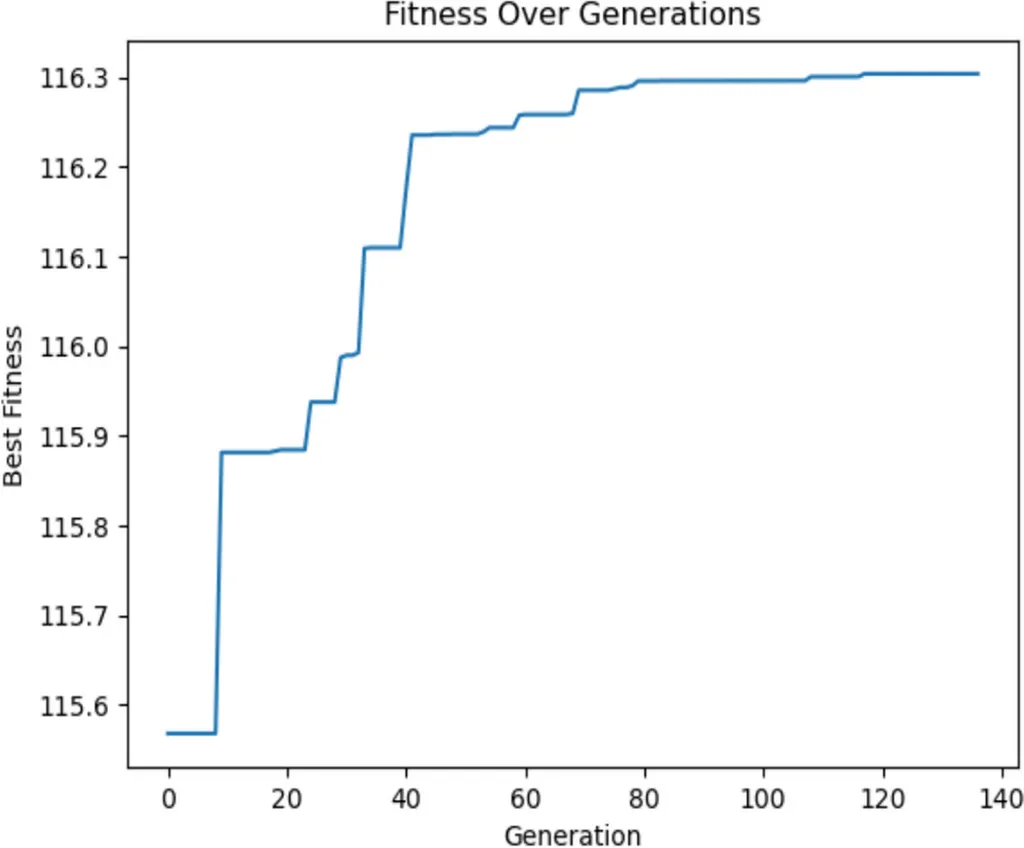
The study addresses the problem in two stages. First, it uses the HS algorithm to identify efficient initial crane positions. Then, it simulates crane movements dynamically, relying on a set of predefined rules to guide real-time decisions. As Dr. Amani explains, “The problem is addressed in two consecutive stages, the first aims to identify efficient initial crane positions using HS, while the second simulates crane movements dynamically.”
So, what does this mean for the maritime industry? Well, for starters, it could lead to significant improvements in port productivity. By reducing the time ships spend in port, this approach could help alleviate congestion, reduce costs, and improve overall efficiency. Moreover, the study’s findings suggest that this hybrid approach is not only effective but also competitive with other methods, such as the genetic algorithm.
Dr. Amani’s research also introduces three new analytical features to characterize the behavior of the HS algorithm during the exploitation phase. This could open up new avenues for further research and development in this area.
In terms of commercial impacts, the potential benefits are substantial. Ports that adopt this approach could see a significant reduction in operational costs, as well as improved customer satisfaction due to faster turnaround times. Additionally, the method’s flexibility and adaptability could make it a valuable tool for ports of all sizes and configurations.
As Dr. Amani notes, “Statistical tests confirmed that the proposed hybrid approach achieves significant improvement over the unidirectional heuristic while showing statistical equivalence with the genetic algorithm, thus validating its effectiveness and competitiveness.”
In the end, this research is a testament to the power of innovation in the maritime industry. By leveraging advanced algorithms and dynamic simulations, Dr. Amani and her team have developed a method that could help ports around the world operate more efficiently and effectively. And as the industry continues to evolve, it’s clear that such innovative approaches will be more important than ever.
So, while the study may be published in a scientific journal, its implications are very much grounded in the real world. And for maritime professionals, that’s good news indeed.