
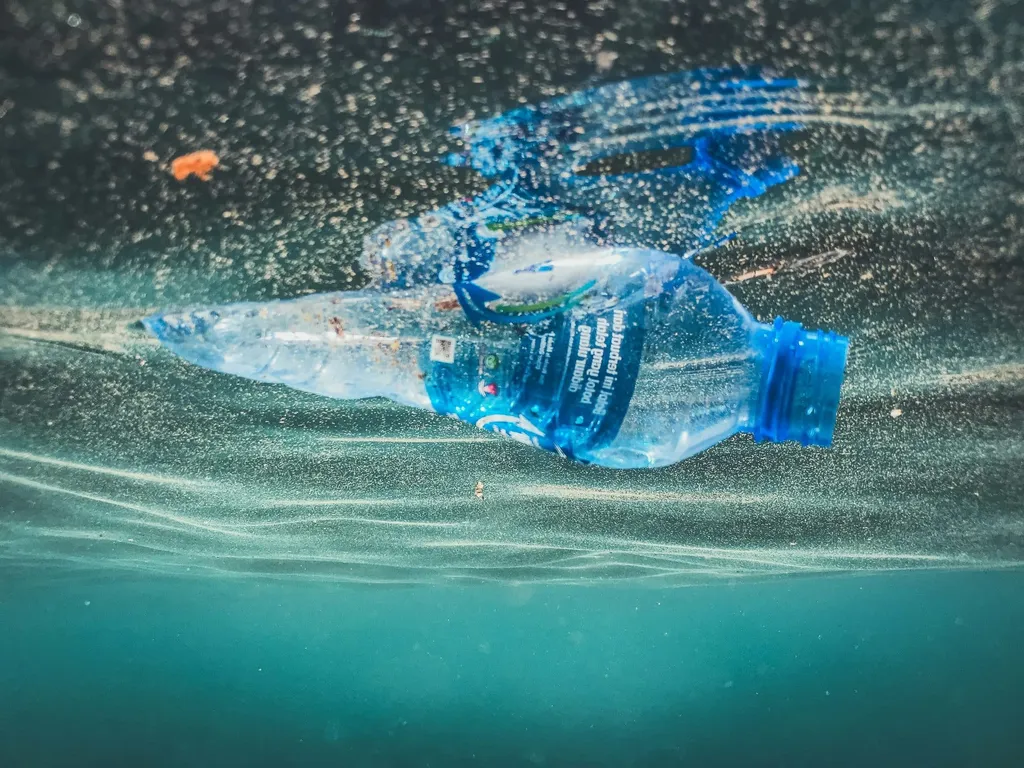
In the fight against marine plastic pollution, Romanian start-up Recycllux is making waves with an AI-powered solution that turns coastal communities into frontline warriors. Founded in 2021 by Sorina Uleia, the company is now expanding its innovative cleanup model across the Mediterranean, backed by support from BlueInvest.
Uleia’s frustration with plastic pollution in her childhood sea waters sparked the idea. With over two decades of experience in technology, innovation, and business development, she assembled a diverse team to develop a scalable framework for marine plastic recovery. The result? A platform that integrates technological advancements and empowers local communities.
Recycllux’s AI analyzes imagery from the EU’s Copernicus satellite network to detect high concentrations of plastic waste in coastal waters. This information is shared with local fishers and NGOs, who collect, sort, and recycle the waste. Local communities are directly compensated for their efforts, and every step of the process—from detection to collection and waste handover—is recorded on a blockchain-secured platform. This ensures complete transparency and traceability.
Corporate partners also benefit, receiving clear, verifiable impact reports that align with EU sustainability frameworks. These reports show how they are meeting environmental obligations while supporting coastal communities engaged in cleanups.
“This model is not just about cleaning up plastic; it’s about creating a sustainable ecosystem where technology, community, and corporate responsibility intersect,” Uleia said.
With BlueInvest support, Recycllux transformed its prototype into a fully operational, cloud-based platform. Real-world interventions in the Black Sea have proven the model’s effectiveness, paving the way for expansion into the Mediterranean. The company has established a new subsidiary in Malta and initiated pilot projects in France and Tunisia.
Recycllux’s approach is a game-changer. By leveraging AI and blockchain, it bridges the gap between technology and grassroots action, ensuring that efforts to combat marine plastic pollution are both effective and transparent. As Uleia puts it, “We’re not just cleaning up the oceans; we’re building a model for sustainable, community-driven environmental stewardship.”
This innovative model could set a new standard for marine conservation, demonstrating how technology and community engagement can tackle one of the planet’s most pressing environmental challenges.