
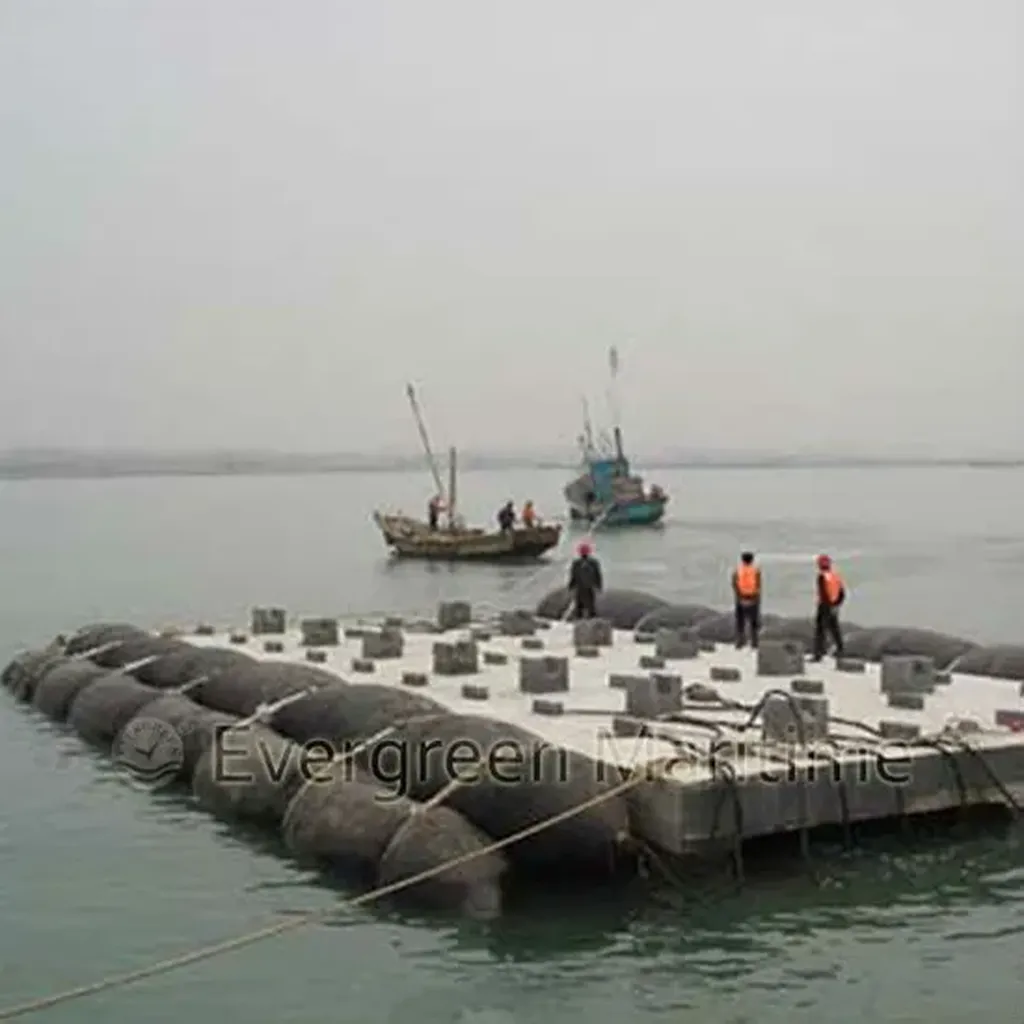
In the ever-evolving maritime industry, ship repair has emerged as a critical service, especially in the wake of the shipbuilding industry’s recent slump. With demand for new constructions on the decline, many shipyards are pivoting towards repair services to stay afloat. A recent study published in ‘Acta Scientiarum: Technology’ (or ‘Journal of Sciences: Technology’ in English) sheds light on a cost-effective and flexible approach to ship repair, particularly for river barges. The research, led by Giuseppe Melazzo Filho from the Universidade Federal do Pará, compares the use of longitudinal slipways and airbags for dry-docking and repair, offering valuable insights for maritime professionals.
The study, which focused on river barges, aimed to identify the average displacement of vessels to analyze the carrying capacity of airbags and the size of the winch required for the dry-docking service. Melazzo Filho and his team found that airbags provided significant flexibility and reduced the need for substantial investments in the area, as most repair yards operate in leased spaces.
“Since most repair yards use leased areas, the flexibility achieved with the use of airbags, as well as the reduced need for investments in the area, are benefits provided by using them,” Melazzo Filho stated. This flexibility is a game-changer, allowing repair yards to adapt quickly to different vessel sizes and types, ultimately enhancing their service offerings.
The commercial implications of this study are substantial. For repair yards, adopting airbags can lead to cost savings and increased efficiency. The reduced need for fixed infrastructure means lower initial investments and the ability to relocate or expand services as demand fluctuates. This is particularly relevant in regions like the Amazon, where river barges are prevalent, and infrastructure may be limited.
Moreover, the study highlights the potential for repair yards to diversify their services and cater to a broader range of vessels. By investing in airbag technology, yards can position themselves as versatile and adaptable service providers, ready to meet the evolving needs of the maritime industry.
The findings also present opportunities for manufacturers and suppliers of airbag technology. As more repair yards recognize the benefits of airbags, demand for these products is likely to rise. This could spur innovation and competition in the market, leading to more advanced and cost-effective solutions.
In conclusion, Melazzo Filho’s research offers a compelling case for the use of airbags in ship repair, particularly for river barges. The study not only provides technical insights but also underscores the commercial potential of this technology. As the maritime industry continues to navigate challenging waters, innovative solutions like airbag dry-docking could be the lifeline repair yards need to stay competitive and sustainable.