
In a recent study published in the *BIO Web of Conferences* (translated from French as *Conferences of the International Symposium on Biological and Environmental Sciences*), maritime professionals with extensive vocational education backgrounds were surveyed on their readiness to adopt digital twin technology for sustainable agricultural product transportation. The research, led by Cahyadi Tri of the Maritime Institute at Sekolah Tinggi Ilmu Pelayaran Jakarta, sheds light on how maritime professionals perceive and prepare for this emerging technology.
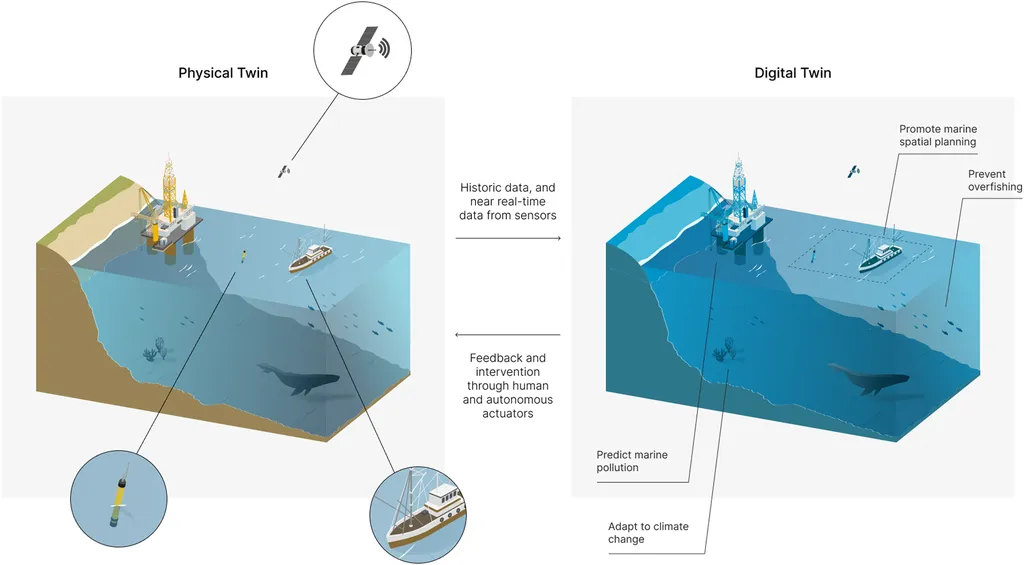
Digital twin technology creates virtual replicas of physical systems, allowing for real-time monitoring, simulation, and optimization. For the maritime sector, this means improved route planning, cargo tracking, and environmental impact management. The study involved ten maritime graduates with over a decade of educational experience and substantial industry practice. Through semi-structured interviews and thematic analysis, the research examined their competency development, sustainability integration, and the feasibility of implementing digital twin technology.
The findings were impressive. Participants scored exceptionally high in systems thinking (4.7/5.0), technological adaptability (4.5/5.0), and sustainability integration (4.8/5.0). This indicates a strong preparedness among maritime professionals to embrace digital twin technology. “Our participants demonstrated a sophisticated understanding of how digital twins can optimize routes, monitor cargo, and reduce environmental impact,” said Cahyadi Tri. “They also expressed high confidence in the feasibility of implementing this technology in their operations.”
The commercial impacts of this research are significant. Digital twin technology can lead to more efficient and sustainable maritime transportation, reducing costs and environmental footprints. For maritime sectors, this presents opportunities to enhance operational efficiency, improve safety, and meet sustainability goals. “The maritime industry is ripe for technological innovation,” added Tri. “Digital twins offer a powerful tool to achieve these objectives.”
The study also highlights the effectiveness of vocational education in preparing professionals for emerging technologies. This provides valuable insights for maritime education reform and technology adoption strategies. As the maritime industry continues to evolve, the integration of digital twin technology could become a game-changer, driving innovation and sustainability in agricultural product transportation.
In summary, the research by Cahyadi Tri and his team at the Maritime Institute, Sekolah Tinggi Ilmu Pelayaran Jakarta, published in the *BIO Web of Conferences*, underscores the readiness and potential of maritime professionals to adopt digital twin technology. This opens up new avenues for commercial opportunities and sustainable practices in the maritime sector.