
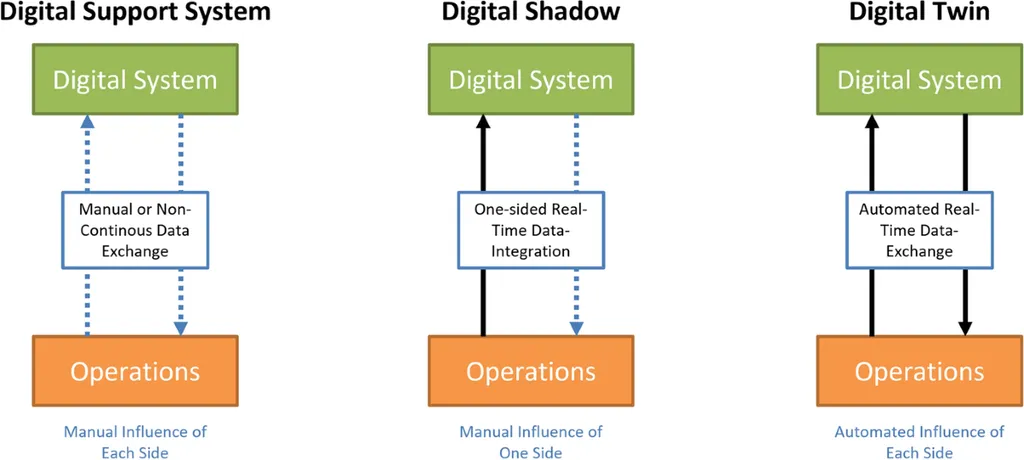
In the ever-evolving world of maritime management, a recent study published in the journal *Applied System Innovation* (translated from Italian as *Applied System Innovation*) is making waves. The research, led by Lucia Gazzaneo from the Department of Mechanical, Energy and Management Engineering at the University of Calabria, Italy, delves into the promising yet under-explored intersection of digital twins and hydrogen applications in port management.
So, what’s the big deal? Well, ports are the bustling hubs of global trade, but they’re also under immense pressure to optimize operations and reduce their carbon footprint. Enter digital twins—virtual replicas of physical systems—and hydrogen, a clean energy source. Both have been making strides in the maritime industry, but their combined potential has been largely untapped.
Gazzaneo and her team conducted a bibliometric analysis, sifting through existing research to identify key trends and gaps. They found that while there’s been significant progress in areas like hydrogen storage, engine performance, and digital twin applications, these advancements have largely been pursued in isolation. “A major challenge persists due to the limited simultaneous and integrated exploration of them,” Gazzaneo noted, highlighting the need for a more holistic approach.
The study identifies three primary areas of advancement: optimizing hydrogen storage and integrated energy systems, using hydrogen in propulsion and auxiliary engines, and applying digital twins for management and validation in maritime operations. The commercial implications are substantial. Ports that successfully integrate these technologies could see improved operational efficiency, reduced costs, and a significant cut in emissions.
For maritime professionals, this research underscores the importance of adopting an interdisciplinary approach. It’s not just about investing in the latest technology; it’s about understanding how these technologies can work together to create smarter, greener ports. As Gazzaneo puts it, “By mapping current research and proposing interdisciplinary directions, this work contributes to the scientific debate on future port development.”
In the competitive world of maritime management, those who can harness the power of digital twins and hydrogen could well be the ones leading the pack. The study serves as a clarion call for the industry to embrace these technologies in tandem, paving the way for a more sustainable and efficient future.