
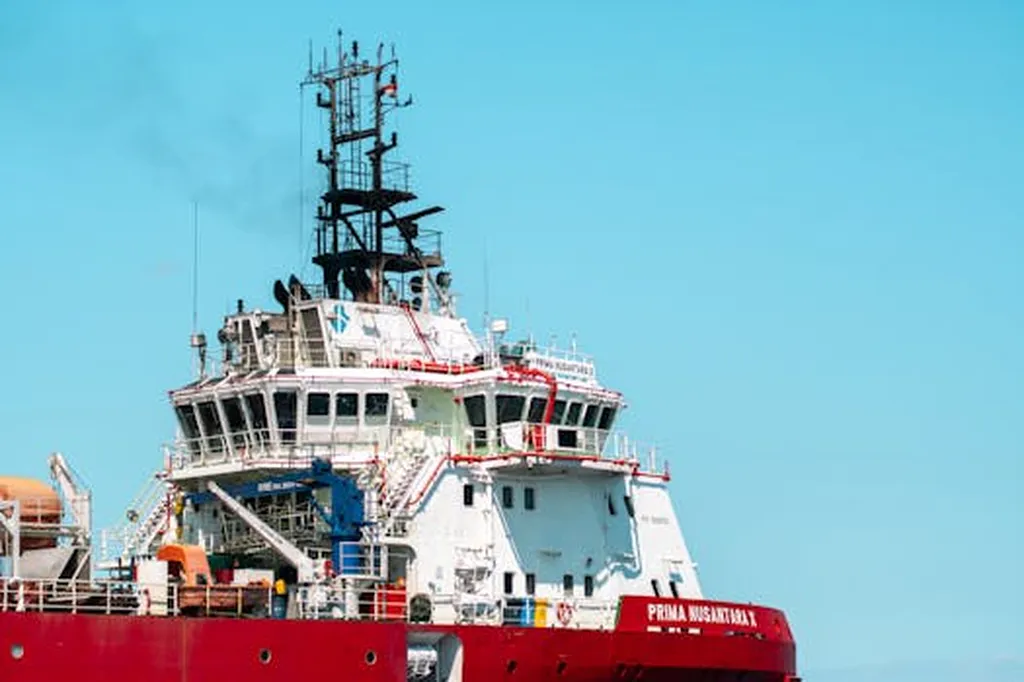
In a significant stride towards greening the maritime sector, a recent study led by Heonbeom Lee from the Department of Green and Smart Ship Equipment at Korea Maritime & Ocean University has shed light on the potential of hybrid propulsion systems for small and medium-sized workboats. The research, published in the Journal of Marine Science and Engineering, offers a comparative analysis of mechanical and hybrid propulsion systems based on real-sea operational data from a buoy maintenance vessel.
The study, which is part of Korea’s 2030 eco-friendly public vessel transition plan, aimed to quantify the fuel efficiency and operational cost savings of hybrid propulsion systems. To achieve this, the team installed measurement equipment on a buoy maintenance vessel to collect real-sea data. This data was then processed to derive specific fuel oil consumption curves and load profiles.
Lee and his team developed fuel consumption models for both mechanical and hybrid propulsion systems, with the battery capacity of the hybrid models selected based on actual operational requirements. The performance indicators and economic analyses conducted for the comparative evaluation revealed that the hybrid electric system achieved 2.02% fuel savings, translating to annual fuel savings of USD 1053.24 and a corresponding 2.02% CO2 reduction. The hybrid mechanical system, on the other hand, yielded 0.66% savings.
These improvements, according to Lee, are attributed to a rule-based energy management strategy that operates generators at their optimal efficiency points and shuts down main engines during low-load periods. “The hybrid electric system’s superior performance is a testament to the potential of hybrid propulsion systems in reducing fuel consumption and emissions,” Lee stated.
The study’s findings have significant commercial implications for the maritime sector. As the International Maritime Organization (IMO) continues to tighten environmental regulations, the transition to eco-friendly alternatives is becoming increasingly urgent. The study provides empirical evidence supporting the viability of hybrid propulsion systems, offering maritime professionals a tangible example of the potential fuel savings and emissions reductions that can be achieved.
Moreover, the study highlights the importance of real-sea data in the development and evaluation of propulsion systems. By collecting and analyzing real-world operational data, maritime professionals can gain valuable insights into the performance of different propulsion systems and make informed decisions about the best options for their vessels.
The study also opens up opportunities for further research and development in the field of hybrid propulsion systems. As Lee noted, “The potential of hybrid propulsion systems is vast, and there is still much to be explored and optimized.” This could lead to the development of more advanced and efficient hybrid systems, further driving the transition towards a greener maritime sector.
In conclusion, the study led by Heonbeom Lee offers a compelling case for the adoption of hybrid propulsion systems in small and medium-sized workboats. By providing empirical evidence of the fuel savings and emissions reductions that can be achieved, the study serves as a valuable resource for maritime professionals seeking to navigate the transition to eco-friendly alternatives. As the maritime sector continues to grapple with the challenges posed by increasingly stringent environmental regulations, studies like this one will be instrumental in guiding the way forward.