
The Baltic Sea region is on edge. Since Russia’s invasion of Ukraine in 2022, critical infrastructure has been under siege—power cables, telecom links, and gas pipelines have all faced disruptions. Now, Poland’s state-controlled refiner Orlen and private defence tech firm Grupa WB are stepping up to fortify the region’s defences. Under a newly inked agreement, the two companies will collaborate to shield maritime infrastructure and counter threats ranging from terrorism to sabotage.
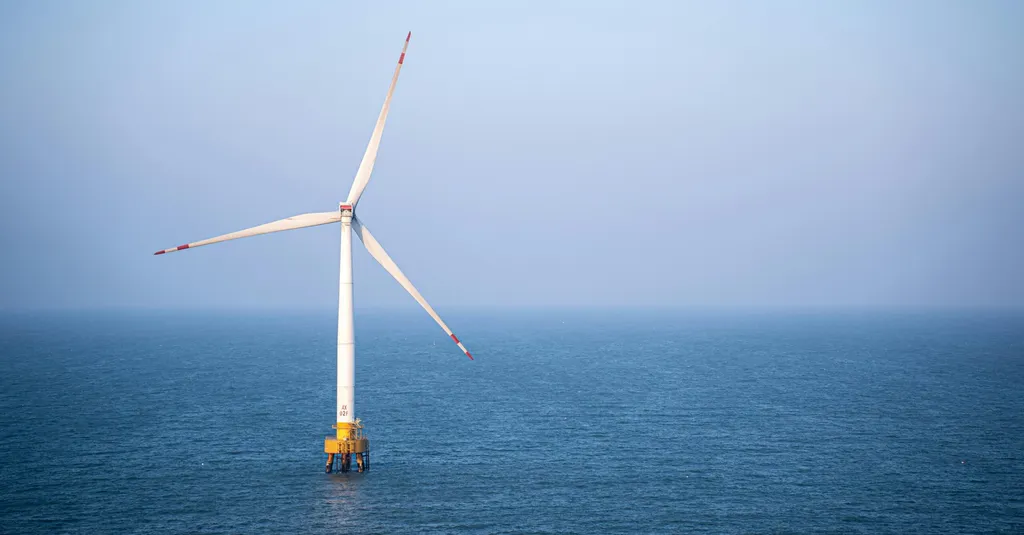
This isn’t just about guarding pipelines and refineries—it’s about securing Poland’s energy future. Orlen isn’t just a refiner; it’s a linchpin in Poland’s energy strategy. The company imports liquefied natural gas (LNG) through the Swinoujscie terminal and is actively developing offshore wind farms in the Baltic Sea. With stakes this high, security isn’t optional—it’s essential.
“Orlen has strategic significance not only for Poland but for the entire region,” said CEO Ireneusz Fafara in a statement. Those words carry weight. Orlen’s operations ripple across the Baltic, making it a cornerstone of regional energy security. Protecting its infrastructure isn’t just about safeguarding Poland—it’s about fortifying the broader energy landscape.
The agreement with Grupa WB brings advanced defence solutions to the table. Grupa WB’s expertise in unmanned systems and monitoring technologies will be pivotal. The plan? To deploy cutting-edge tools to monitor and protect critical assets. This isn’t just about reacting to threats—it’s about staying ahead of them.
The collaboration also underscores a broader trend: the convergence of energy and defence. As critical infrastructure faces growing threats, companies are teaming up to build resilience. Orlen and Grupa WB’s partnership is a case in point. By combining Orlen’s operational know-how with Grupa WB’s defence tech, they’re creating a robust shield for Poland’s energy backbone.
But this is just the beginning. The Baltic Sea region’s infrastructure challenges are evolving, and so must the solutions. The focus on unmanned systems and advanced monitoring reflects a forward-thinking approach—one that anticipates future threats and adapts to them. This proactive stance could set a new standard for critical infrastructure protection, not just in Poland but across Europe.
The partnership also highlights the importance of public-private collaboration. State-controlled entities like Orlen and private firms like Grupa WB bring different strengths to the table. By working together, they can tackle complex challenges that neither could solve alone. This model of collaboration could inspire similar partnerships elsewhere, fostering a more secure and resilient energy landscape.
The Baltic Sea region’s infrastructure has been under fire for years. With Orlen and Grupa WB joining forces, Poland is sending a clear message: its critical energy assets won’t be left vulnerable. As the partnership unfolds, it will be interesting to see how this collaboration shapes the future of energy security—not just in Poland, but across the Baltic and beyond.