
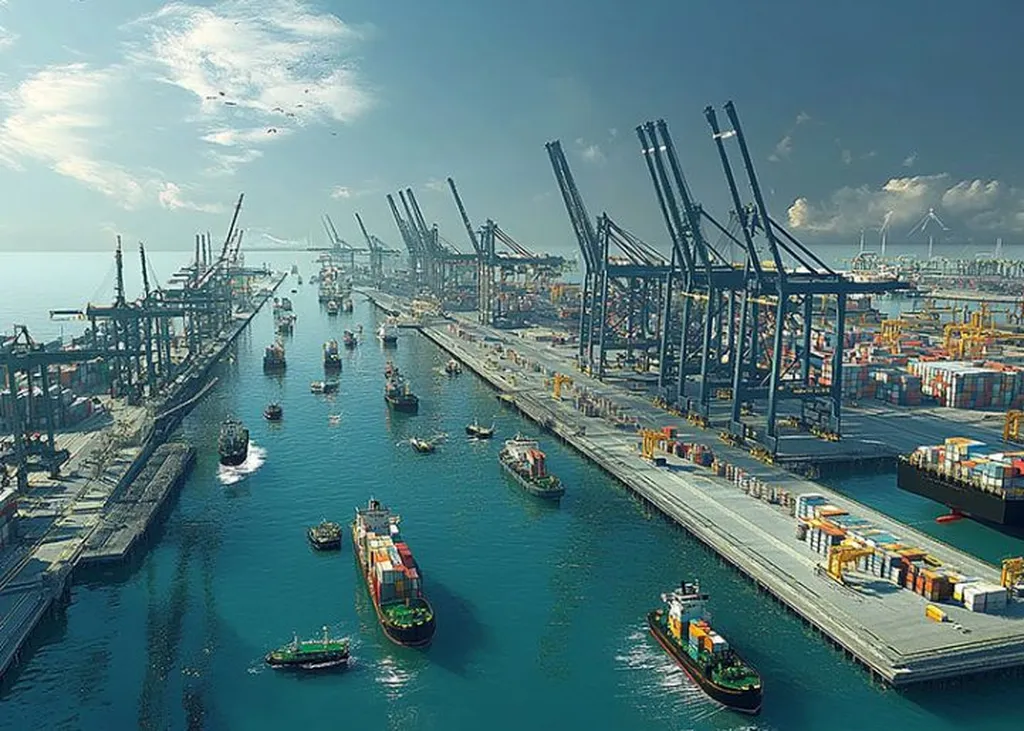
India’s maritime ambitions are no longer confined to the drawing board. Along its 7,500-kilometre coastline, ports that were once modest trade gateways have transformed into bustling hubs of economic activity. These ports now handle a staggering 95 per cent of India’s external trade by volume, a testament to their critical role in the nation’s economic engine. But as cargo volumes surge—from 581 million tonnes a decade ago to nearly 855 million tonnes today—so do the environmental challenges.
The question on everyone’s mind is how to sustain this growth without sacrificing fragile coastal ecosystems and exacerbating climate change. India’s answer is clear: green ports are the future. Policymakers are increasingly viewing green growth not as an obstacle but as the only viable path to sustainable development.
A major shift in maritime governance is already underway. The replacement of the colonial-era Ports Act of 1908 with the Indian Ports Act, 2025 marks a turning point. Environmental safeguards are now embedded directly into the legal framework, making sustainability a core requirement rather than an afterthought. This change is supported by long-term planning that aligns port growth with climate responsibility.
Central to this approach is the Maritime India Vision 2030, which places sustainability at the heart of port-led development. Backed by the Harit Sagar Green Port Guidelines, this vision sets clear, measurable goals. By 2030, ports are expected to cut carbon emissions per tonne of cargo by 30 per cent, electrify a significant portion of their equipment, and source more than 60 per cent of their energy from renewable sources. These targets are designed to scale up further by 2047, demonstrating that the green transition is an ongoing process, not a one-time effort.
Ports are also overhauling their day-to-day operations to become cleaner and more efficient. Shore-to-ship power systems allow vessels to switch off their diesel engines while docked, drastically reducing air pollution in nearby cities. Electrified cranes, vehicles, and cargo-handling equipment lower noise levels, cut fuel costs, and improve safety for workers. These changes directly benefit local communities that have long borne the brunt of port-related environmental impacts.
Water management and biodiversity protection are also becoming priorities. Ports consume vast amounts of freshwater and generate wastewater and dredged material. New practices focus on recycling wastewater, reducing discharge, and reusing dredged material for construction or coastal protection. Efforts to restore mangroves and increase green cover help absorb carbon and protect shorelines from storms and erosion, which are becoming more frequent due to climate change.
This green transition is not just about environmental stewardship; it’s about future-proofing India’s maritime sector. By embedding sustainability into the fabric of port operations, India is positioning itself as a leader in green maritime development. The shift towards green ports is a strategic move that ensures long-term economic growth while safeguarding the environment.
As India continues to expand its maritime capabilities, the focus on green ports will likely influence global standards and practices. The country’s commitment to sustainable port infrastructure could set a benchmark for other nations, demonstrating that economic growth and environmental responsibility can go hand in hand.