
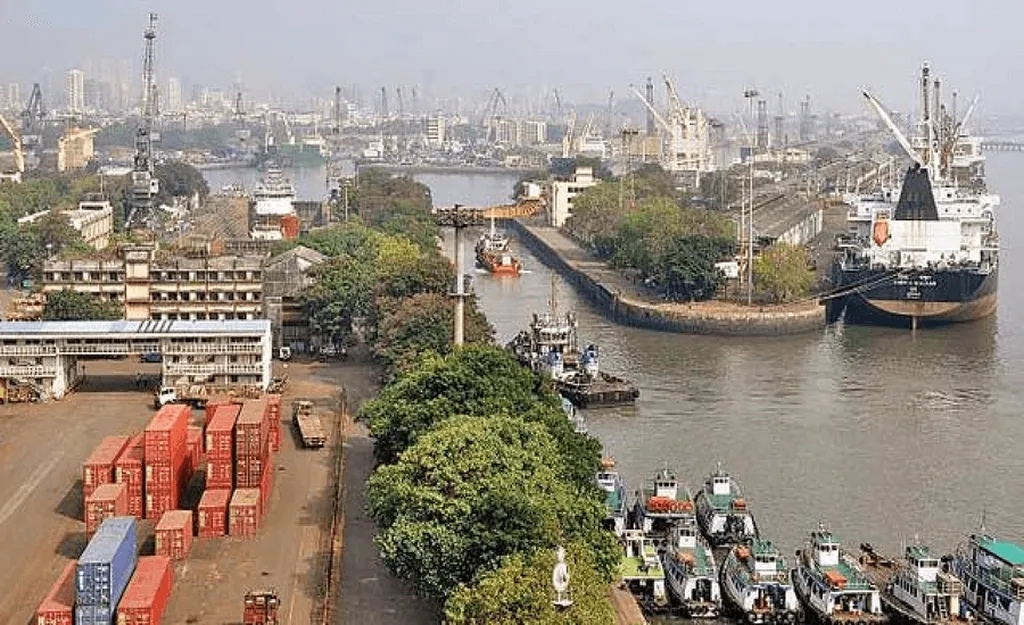
India’s maritime ambitions are no longer a distant dream but a visible reality along its 7,500-kilometre coastline. Ports, once modest trade gateways, are now bustling hubs of economic activity, handling growing volumes of cargo and supporting the nation’s push for manufacturing, exports, and global competitiveness. However, as port activity expands, a critical question emerges: how can growth continue without harming fragile coastal ecosystems and worsening climate change?
Policymakers are increasingly seeing green growth not as an obstacle to development, but as the only way to make that development sustainable in the long run. Ports handle almost 95 per cent of India’s external trade by volume, making them vital to the economy. Over the past decade, cargo at major ports has risen sharply—from about 581 million tonnes to nearly 855 million tonnes. This growth reflects stronger manufacturing and deeper integration with global supply chains.
Yet, ports are also major sources of air pollution, water contamination, and carbon emissions, many of them located close to mangroves, wetlands, coral reefs, and densely populated coastal cities. A major shift is already underway. The replacement of the colonial-era Ports Act of 1908 with the Indian Ports Act, 2025 marks a turning point in maritime governance. Environmental safeguards are now built directly into the legal framework, making sustainability a core requirement rather than a voluntary add-on.
This change is supported by long-term planning that links port growth with climate responsibility. Central to this approach is the Maritime India Vision 2030, which places sustainability at the heart of port-led development. It is backed by the Harit Sagar Green Port Guidelines, which set clear and measurable goals. Ports are expected to cut carbon emissions per tonne of cargo by 30 per cent by 2030, electrify a large share of their equipment, and source more than 60 per cent of their energy from renewable sources. These targets are designed to scale up further toward 2047, showing that the green transition is an ongoing process, not a one-time effort.
Ports are also moving toward cleaner day-to-day operations. Shore-to-ship power systems allow vessels to switch off their diesel engines while docked, reducing air pollution in nearby cities. Electrified cranes, vehicles, and cargo-handling equipment lower noise levels, cut fuel costs, and improve safety for workers. These changes directly benefit local communities that have long faced the environmental impact of port activity.
Water management and biodiversity protection are also becoming priorities. Ports use large amounts of freshwater and generate wastewater and dredged material. New practices focus on recycling wastewater, reducing discharge, and reusing dredged material for construction or coastal protection. Efforts to restore mangroves and increase green cover help absorb carbon and protect shorelines from storms and erosion, which are becoming more frequent due to climate change.
As India continues to expand its maritime infrastructure, the focus on sustainability is not just about meeting regulatory requirements but about ensuring that economic growth is environmentally responsible. The integration of green technologies and practices into port operations is setting a new standard for the maritime industry, both in India and globally. This approach ensures that as India’s ports grow, they do so in a way that protects and preserves the delicate balance of coastal ecosystems, paving the way for a sustainable and resilient future.