
In the midst of a global shift in higher education, maritime universities are facing unique challenges that could reshape the industry’s future workforce. A recent study, led by Olga Petrychenko from the National University “Odessa Maritime Academy,” delves into these issues, offering insights and recommendations that could steer maritime education—and by extension, the maritime industry—towards resilience and transformation.
Petrychenko’s research, published in the “Collection of Scientific Works of the State University of Infrastructure and Technology: Series ‘Transport Systems and Technologies'” (a Ukrainian academic journal), highlights the systemic challenges faced by maritime universities, particularly in Ukraine. The study combines systemic and comparative analysis to scrutinize the educational process, with a focus on recruitment dynamics and admission structures from 2020 to 2024.
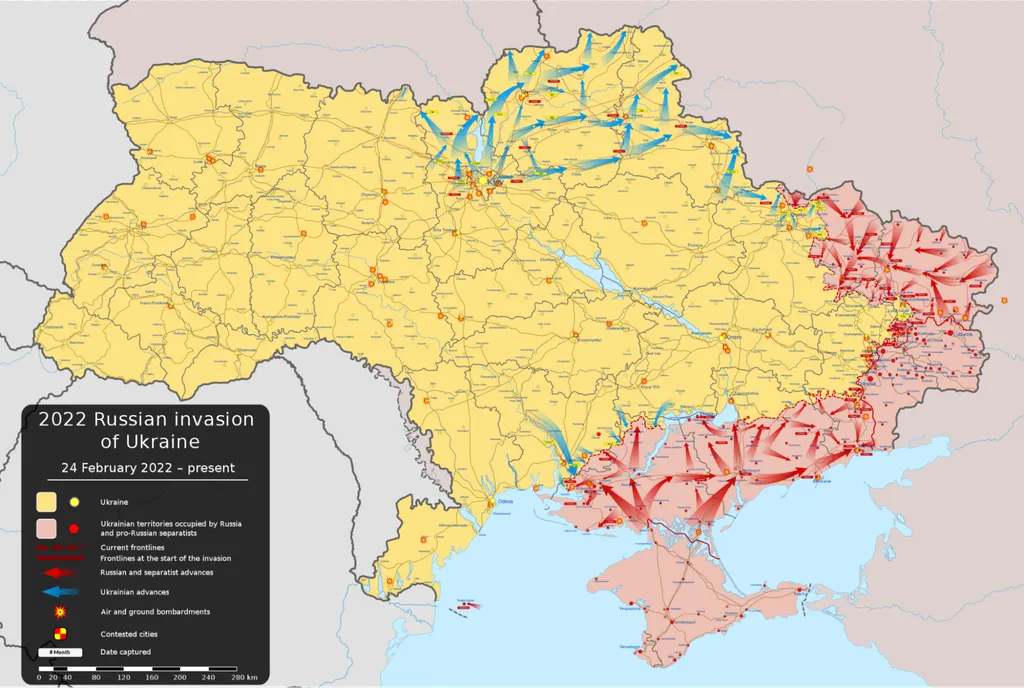
One of the most pressing issues identified is the restriction on maritime practice due to port blockades, a problem exacerbated by the ongoing conflict in the region. “The changing perception of maritime professions in the face of wartime risks is a significant challenge,” Petrychenko notes. This shift in perception could potentially deter students from pursuing maritime careers, leading to a skills gap in the industry.
The study also underscores the need for maritime universities to adapt to international standards despite limited resources. This adaptation is crucial for maintaining the quality of education and ensuring graduates are well-prepared for the global maritime job market.
From a commercial perspective, the findings present opportunities for innovation and collaboration. Petrychenko recommends the development of sustainable distance learning systems and the forging of international partnerships. These steps could not only mitigate the impact of current challenges but also open up new avenues for growth and development in maritime education and the broader maritime sector.
Moreover, the study emphasizes the strategic importance of maritime education for national security. By developing a comprehensive strategy for maritime education, countries can ensure a steady supply of skilled professionals, which is vital for maintaining a robust and resilient maritime industry.
In essence, Petrychenko’s research serves as a wake-up call for maritime universities and industry stakeholders. It underscores the need for proactive measures to address current challenges and seize emerging opportunities. As the maritime industry continues to evolve, so too must its educational institutions, ensuring they remain relevant and effective in preparing the next generation of maritime professionals.