
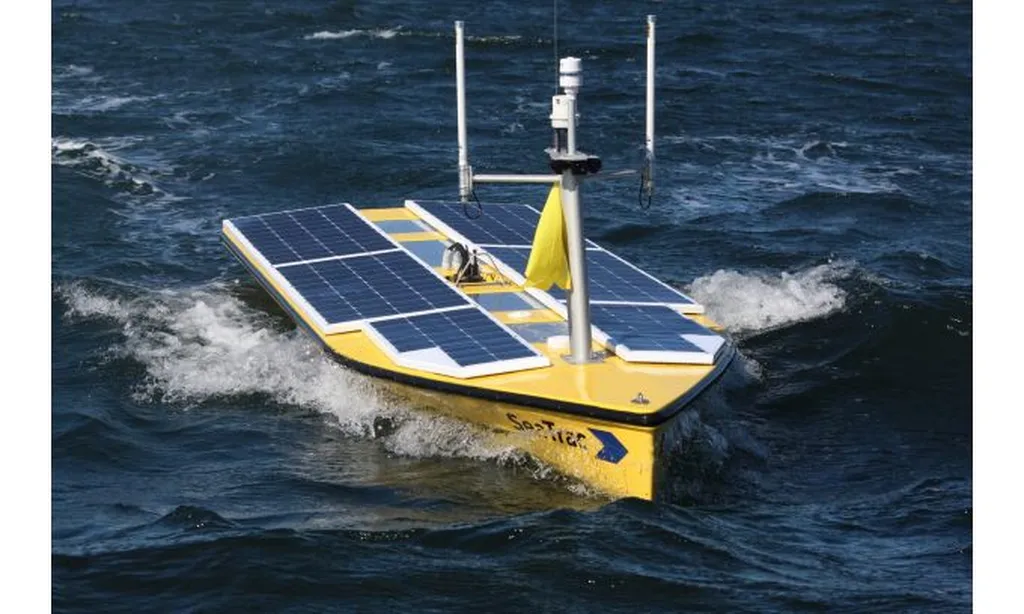
In a groundbreaking demonstration, an Open Ocean Robotics solar-powered uncrewed surface vessel (USV) successfully executed an autonomous intelligence, surveillance, and reconnaissance (ISR) patrol across a bustling 12 square kilometer harbor. This wasn’t just another tech trial—it was a live test of how AI and autonomous systems can team up to boost maritime security.
The USV, powered entirely by solar energy, navigated through heavy maritime traffic while GSTS’s OCIANA® artificial intelligence platform provided a dynamic protective intelligence layer. This isn’t your average data feed. OCIANA analyzed vessel behavior, predicted movements, and issued autonomous alerts—all in real-time. The result? A seamless fusion of autonomous operations and AI-driven intelligence that kept the USV and its surroundings under constant surveillance.
Julie Angus, CEO at Open Ocean Robotics, highlighted the significance of this achievement: “This demonstration shows how uncrewed systems and AI intelligence can deliver persistent maritime awareness. Our USVs operate in areas that are difficult or costly for crewed vessels, and when OCIANA can fuse our sensor data into a unified maritime picture, the result is a powerful operational tool for agencies that need to extend their reach and respond faster to emerging risks.”
The trial showcased OCIANA’s ability to analyze vessel behavior and movement patterns, delivering continuous situational awareness and autonomous alerts. This isn’t just about keeping tabs on the environment—it’s about enabling safe, confident uncrewed operations in complex maritime settings.
Penny Switzer, Director of Defense and Security at GSTS, explained, “The trial highlighted OCIANA’s role as a protective intelligence layer for uncrewed operations in complex maritime environments. By analyzing vessel behavior and movement patterns around the USV, OCIANA delivered continuous situational awareness and autonomous alerts that support safe, confident uncrewed operations.”
The Open Ocean Robotics USV is a marvel of modern engineering, capable of sustained operations with zero emissions and minimal logistical footprint. During the mission, the USV’s Enhanced Horizon system identified multiple surface contacts using camera-driven detection and identification. Meanwhile, OCIANA analyzed approaching traffic, predicted interception points, and issued alerts when a simulated suspicious contact entered the area. This synergy increased situational awareness and enabled safe operations, unlocking new capabilities for autonomous platforms.
OCIANA’s predictive analytics didn’t just track movements—it detected anomalous behavior such as dark approaches and irregular loitering. When a simulated high-risk vessel was introduced, OCIANA tracked its pattern relative to the USV, assessed threat relevance, and pushed intelligence updates to the operations center. The result was a self-directed protective envelope supported by sovereign Canadian AI.
Both Open Ocean Robotics and GSTS are Canadian-owned, maintaining full domestic control of their intellectual property. This strengthens Canada’s ability to field advanced maritime security solutions without relying on foreign systems.
This trial isn’t just a win for the companies involved—it’s a leap forward for maritime security. By integrating autonomous systems with AI-driven intelligence, agencies can extend their reach, reduce personnel exposure, and respond more effectively to emerging risks. The future of maritime security is here, and it’s autonomous, intelligent, and Canadian-made.