
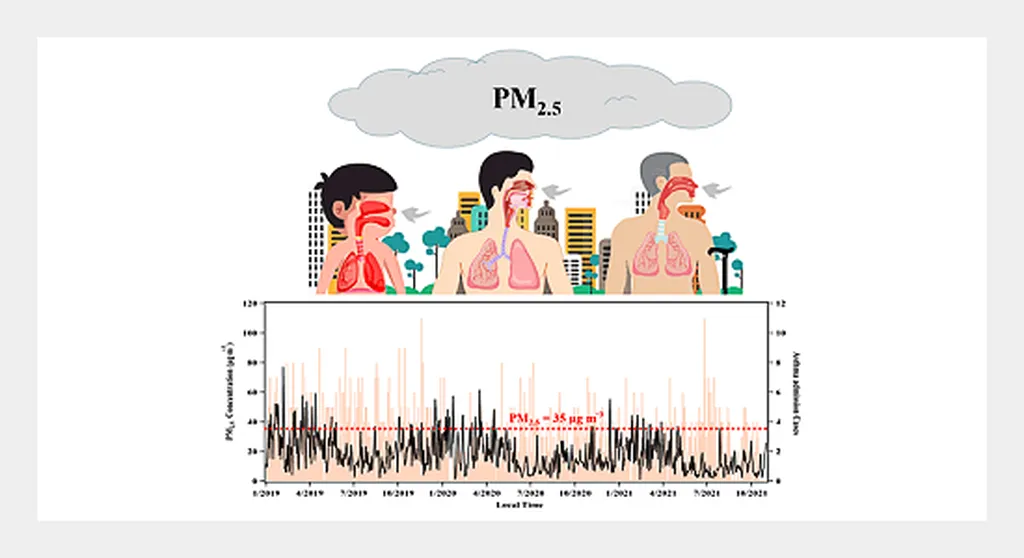
In a recent study published in the journal *Scientific Reports*, researchers from the Institute of Environmental Systems Biology at Dalian Maritime University have shed light on the effects of PM2.5 exposure on allergic asthma in elderly rats. The lead author, Lianlian Zhao, and her team delved into how fine particulate matter, a common air pollutant, interacts with allergens to exacerbate respiratory conditions, particularly in older populations.
For maritime professionals, the implications of this research are multifaceted. Ships and port operations often contribute to air pollution, including the emission of PM2.5 particles. Understanding how these particles affect health can inform better environmental practices and regulatory measures within the maritime industry. “Our findings suggest that prolonged exposure to PM2.5 can significantly increase the susceptibility to allergic asthma, especially in elderly individuals,” Zhao explained. This insight is crucial for maritime companies looking to mitigate their environmental impact and protect the health of both their workforce and nearby communities.
The study highlights the importance of adopting cleaner technologies and stricter emission standards. For instance, the use of low-sulfur fuels and advanced exhaust treatment systems can reduce PM2.5 emissions from ships. Additionally, port authorities can implement green initiatives to minimize air pollution in coastal areas, benefiting both public health and the maritime sector’s sustainability goals.
Moreover, the research opens up opportunities for innovation in maritime health and safety protocols. Companies can invest in health monitoring systems for employees, particularly those working in high-exposure environments. This proactive approach can lead to a healthier workforce and reduced healthcare costs in the long run.
In summary, the study by Lianlian Zhao and her team at Dalian Maritime University underscores the need for the maritime industry to address air pollution and its health impacts. By embracing cleaner technologies and implementing robust health and safety measures, maritime professionals can contribute to a healthier environment and a more sustainable future. As Zhao noted, “The maritime industry has a significant role to play in reducing PM2.5 emissions and protecting vulnerable populations.”