
In a significant shift from the shadowy world of proxy wars to outright clashes, the Israel-Iran conflict of 2024-2025 has turned the West Asian security landscape on its head. That’s the stark assessment from Abdul Wasi Popalzay, a researcher from the Department of South and Central Asian Studies at Central University of Punjab, in a recent study published in the *Chinese Journal of International Review* (translated as *Chinese Journal of International Review*).
Popalzay’s research, which delves into the nitty-gritty of the conflict, highlights how Israel’s targeted strikes on Iranian nuclear and military sites in April and October 2024, followed by Iran’s retaliatory missile barrages, marked a dramatic escalation. The culmination of this tension was the intense “12 Days of War” in June 2025, a period that saw direct confrontations between the two nations.
The study, which interprets these events through a Realist framework, underscores the security dilemma at play. “Measures undertaken by each side to ensure survival—Israel’s preemptive actions and Iran’s reactive posture—reciprocally intensified the strategic impasse,” Popalzay explains. This tit-for-tat escalation has not only heightened regional instability but also had significant repercussions for global maritime security.
One of the most notable impacts has been the disruption of maritime trade in the Red Sea, where non-state actors like the Houthis, backed by Iran, have been wreaking havoc. “Non-state actors operated both as strategic instruments of Iranian influence and as autonomous disruptors, notably through sustained maritime aggression in the Red Sea,” Popalzay notes. This has led to significant disruptions in global trade routes, with the Strait of Hormuz also becoming a hotspot for potential conflicts.
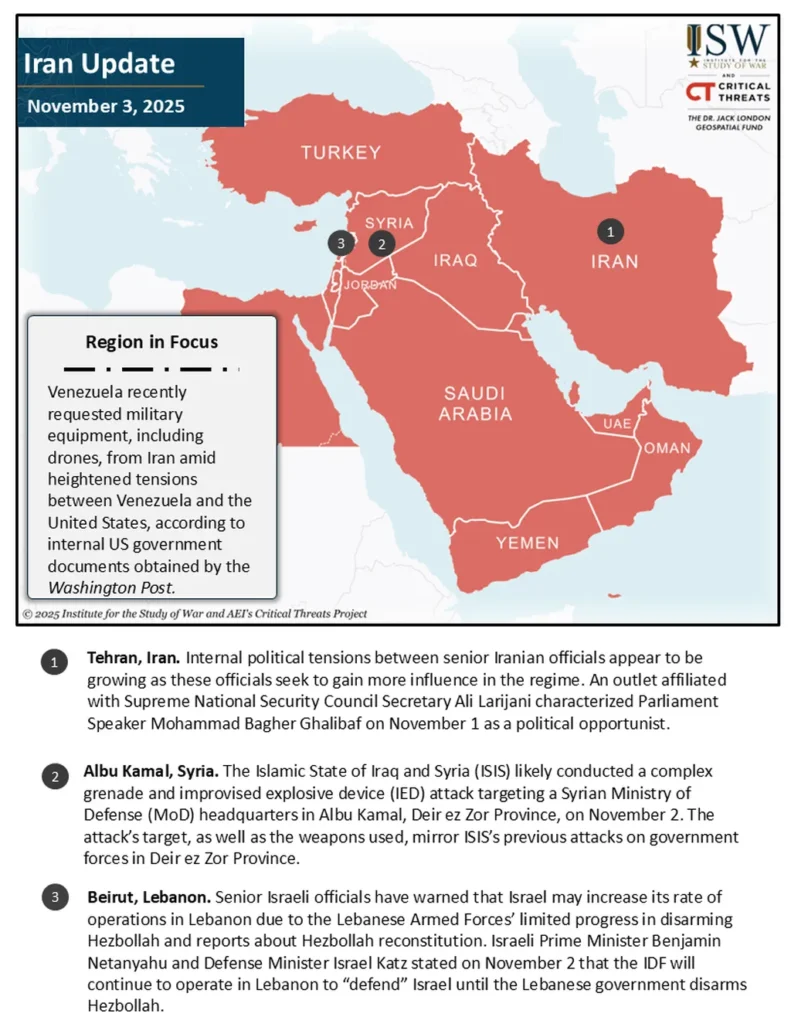
For maritime professionals, the implications are clear. The conflict has exposed critical limitations in traditional deterrence models, raising the specter of accelerated militarization in key maritime chokepoints. This has heightened the risk of expanded theaters of conflict involving Lebanon, Syria, and Yemen, further complicating the security landscape.
The shifting strategic alignments have also had commercial impacts. The United States has deepened its support for Israel, while Iran has recalibrated its external engagements toward China. This has led to a complex web of alliances and counter-alliances, with significant implications for maritime trade and security.
Popalzay’s research underscores the imperative for adaptive security frameworks capable of integrating the entangled agency of state and non-state actors across an increasingly interconnected global order. With significant ramifications for Middle Eastern stability and global security, the study offers a critical perspective on how the Israel-Iran rivalry has evolved from proxy conflicts to a more direct and disruptive conflict.
For maritime professionals, the message is clear: the conflict has not only heightened security risks but also created new opportunities for those involved in maritime security, trade, and logistics. The need for adaptive strategies and innovative solutions has never been greater, as the world navigates this new and volatile landscape.