
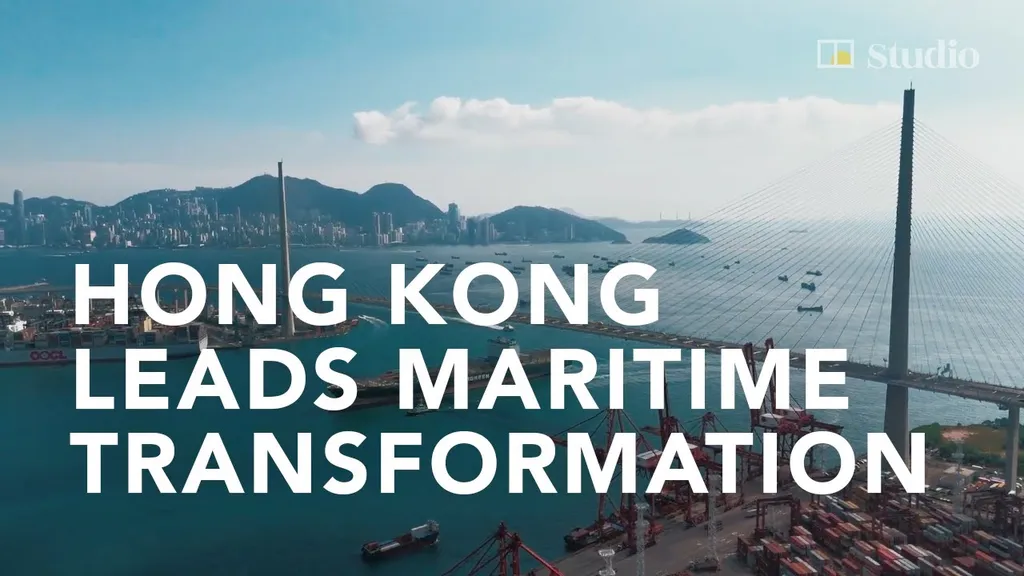
In the ever-evolving world of maritime transport, a new study published in the *Journal of Marine Science and Engineering* (translated from the Chinese title) is making waves. Led by Lingxiao Wu from the Department of Aeronautical and Aviation Engineering at The Hong Kong Polytechnic University, the research delves into the realm of smart seaports and maritime transport management, offering insights that could reshape the industry.
So, what’s the buzz about? Wu and his team are exploring how smart technologies can revolutionize seaport operations and maritime transport management. Imagine seaports equipped with sensors, data analytics, and automation, working in tandem to streamline operations, enhance efficiency, and reduce environmental impact. This isn’t just about making things run smoother; it’s about a fundamental shift in how we approach maritime transport.
The study highlights several key areas where smart technologies can make a significant difference. For instance, real-time data analytics can help optimize berth allocation, reducing vessel waiting times and improving overall port efficiency. Similarly, automated systems can enhance cargo handling, minimizing human error and speeding up turnaround times. Wu notes, “The integration of smart technologies in seaports can lead to a more agile and responsive maritime transport system.”
But what does this mean for the industry? The commercial impacts and opportunities are substantial. For starters, smarter operations can lead to cost savings, a critical factor in an industry where margins can be tight. Faster turnaround times mean more vessels can be handled, increasing revenue potential. Moreover, improved efficiency can enhance customer satisfaction, a crucial aspect in an increasingly competitive market.
Environmental benefits are another significant advantage. Smart technologies can help reduce emissions by optimizing vessel movements and reducing idle times. Wu emphasizes, “Sustainability is a key driver in the maritime industry, and smart seaports can play a pivotal role in achieving this goal.”
The study also opens up new avenues for innovation and investment. Companies specializing in smart technologies, data analytics, and automation can find ample opportunities in the maritime sector. Port authorities and shipping companies can collaborate to implement these technologies, fostering a more efficient and sustainable maritime transport system.
In essence, the research by Wu and his team underscores the transformative potential of smart technologies in the maritime sector. As the industry continues to evolve, embracing these innovations could be the key to staying ahead of the curve. For maritime professionals, the message is clear: the future is smart, and it’s here to stay.
For those interested in delving deeper into the subject, the study is available in the *Journal of Marine Science and Engineering*.