
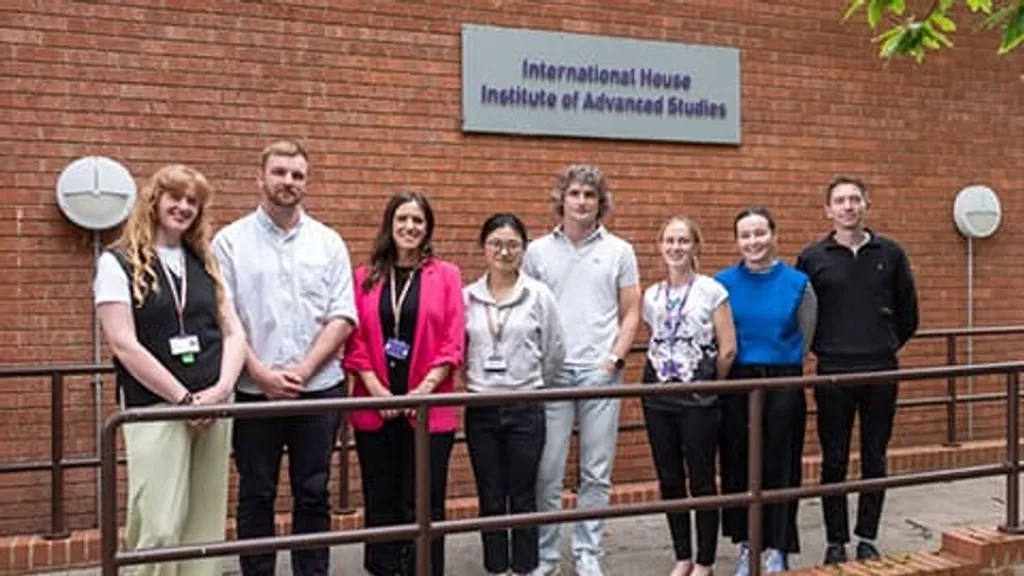
Researchers at Loughborough University have undertaken a radical redesign of their undergraduate physics degree, challenging conventional approaches to curriculum development. Led by Dr. Michael Everitt, Dr. Matthew Greenaway, Dr. Stephen Bugby, and Dr. Scott Duffus, the team has applied a systems-engineering approach to create a programme that aligns academic learning with real-world industrial practice.
The team’s work departs from the incremental reforms typically seen in higher education. Instead, they treated the physics degree as an integrated system, with each component—from theoretical learning to laboratory practice—designed to work cohesively. This holistic approach ensures that the curriculum meets stakeholder needs, whether those stakeholders are students, employers, or professional accreditation bodies.
Central to their methodology is the concept of authenticity. The researchers embedded vertically-integrated threads throughout the degree, ensuring that students engage with theory, computation, laboratory work, and professional skills in a way that mirrors real-world challenges. This means that from their first year, students are working on projects that require them to apply their knowledge in practical, industry-relevant contexts.
The results of this redesign are impressive. Graduates from the programme have demonstrated a level of competence that surpasses typical undergraduate outcomes, both within their discipline and across interdisciplinary boundaries. This has translated into enhanced graduate destinations, with many students securing roles in industry that demand a high level of technical and professional skill. Additionally, the programme has received positive evaluations, including national accreditation, underscoring its success.
The researchers also highlight improvements in student performance and confidence. By engaging with authentic, complex problems from the outset, students develop a deeper understanding of their subject and a greater ability to apply their knowledge in novel situations. This not only prepares them better for their future careers but also enhances their overall learning experience.
This case study suggests that a rigorous, system-level approach to curriculum design can yield transformational gains in education. By treating a degree programme as an integrated system, universities can create courses that are more responsive to the needs of students and industry, ultimately producing graduates who are better equipped to tackle real-world challenges. The success at Loughborough University serves as a model for other institutions looking to innovate their curriculum design and improve educational outcomes. Read the original research paper here.