
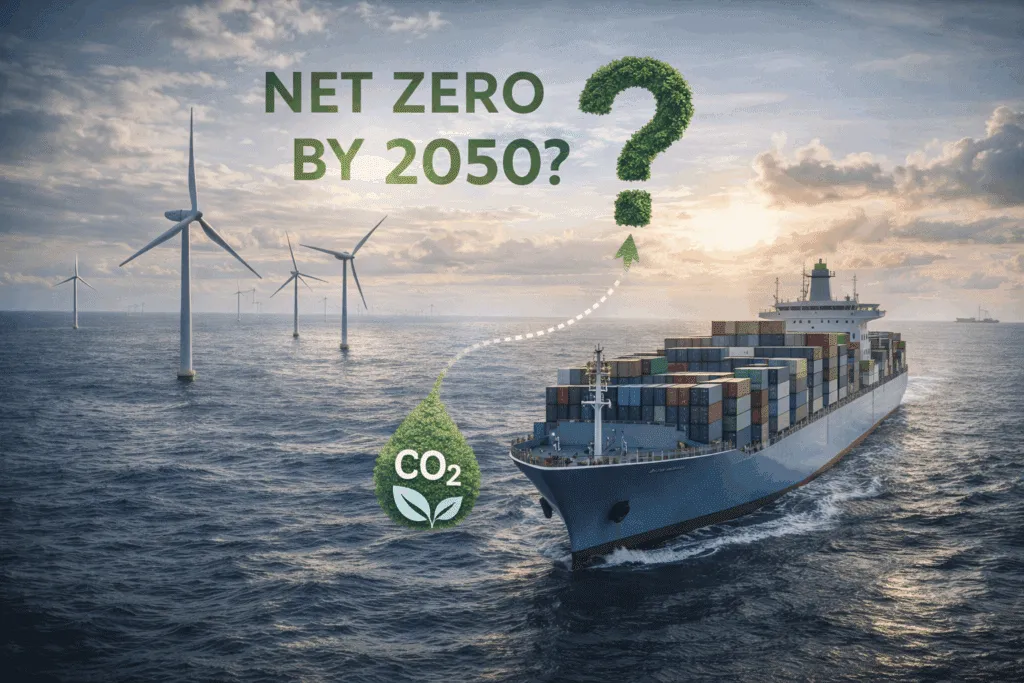
In the quest to curb climate change, the maritime sector faces a unique challenge. While many industries can pivot to electrification, ships and certain industrial processes will still need carbon-based fuels. This is where Carbon Capture and Utilisation (CCU) technologies come into play, according to a recent article published in ‘Technologie et Innovation’ (Technology and Innovation). The piece, penned by lead author Célia Sapart, sheds light on the pivotal role CCU could play in achieving climate neutrality.
So, what exactly is CCU? In a nutshell, it’s a process that captures CO2 emissions—either from industrial sources or directly from the air—and converts them into useful products like fuels, chemicals, and materials. “Using CO2 to replace fossil carbon in sectors that will still need hydrocarbons is a key solution to ‘defossilise’ our economy,” Sapart explains. This is particularly relevant for the maritime industry, which relies heavily on carbon-based fuels.
The article highlights that while the exact potential of CCU technologies is still uncertain, they could play a significant role in mitigating climate change. This is good news for the maritime sector, as it opens up opportunities for innovation and investment in sustainable technologies.
From a commercial perspective, the shift towards CCU could create new markets and business models. For instance, companies could specialize in capturing and converting CO2, or develop new products made from recycled carbon. Moreover, the maritime industry could see a demand for ships equipped with CCU technology, creating a niche market for green shipping.
However, the transition to a circular carbon economy is not without its challenges. The article points out that there are uncertainties surrounding the cost of renewable electricity and the effectiveness of different CCU options. But as Sapart notes, “No precise global estimate of the potential mitigation role of CCU technologies exists to date,” leaving room for exploration and growth.
In conclusion, the article serves as a call to action for the maritime sector to embrace CCU technologies. By doing so, it can contribute to the global effort to combat climate change while also opening up new commercial opportunities. As published in ‘Technologie et Innovation’, the message is clear: the future of the maritime industry lies in a circular carbon economy.