
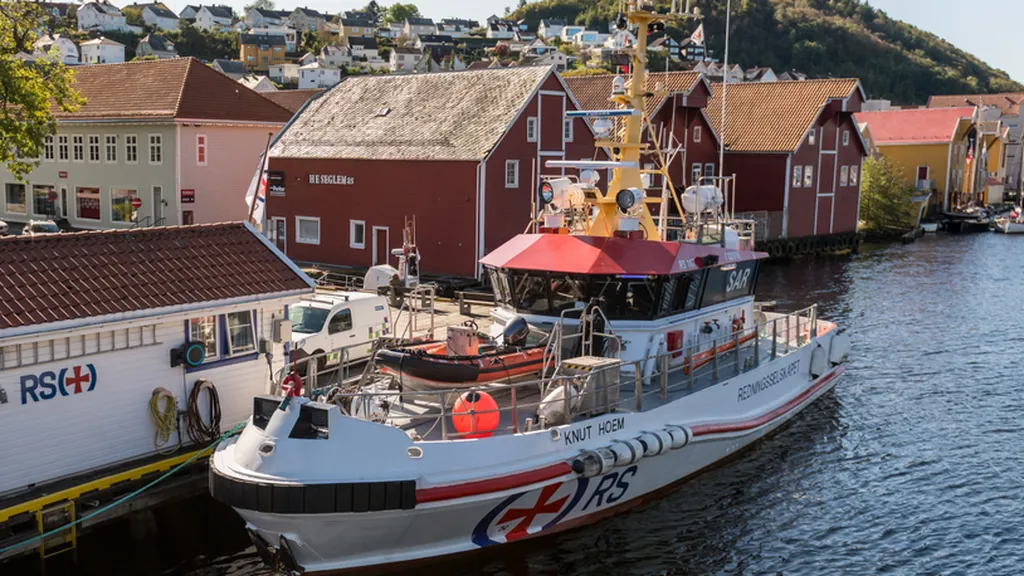
Norway’s search and rescue (SAR) operations are about to get a high-tech upgrade. Redningsselskapet (RS), the Norwegian sea-rescue society, is equipping its fleet of 59 vessels with electronic navigation technology from Navtor. The move aims to enhance emergency response times and improve passage plan sharing—critical factors in life-saving missions.
At the heart of this upgrade is Navtor’s NavBox devices and NavFleet fleet management tool, which RS will use free of charge. These tools will enable RS to communicate multiple data streams between its vessels and shore bases, including passage plans, routes, documents, certificates, and official electronic navigational charts (ENCs) from Norway’s mapping authority, Kartverket.
Gorm Hillgaar, maritime director at RS, underscored the importance of this technological leap: “To ensure we can make better decisions, being where and when we are needed 24/7, we need to utilise multiple streams of data, from vessels and the shore, in the optimal manner.” This integration is set to provide RS with a comprehensive view of its fleet’s readiness and operational status, allowing for quicker, more informed decisions during maritime emergencies.
NavFleet, in particular, will play a pivotal role. It connects RS vessels and shore bases, facilitating seamless information sharing. This includes passage plans, routes, layers, documents, certificates, and official ENC charts. The tool’s ability to integrate these various data streams into a single, accessible platform is a game-changer for RS’s operational efficiency.
“The official ENCs and ongoing support we receive from Navtor and Kartverket are crucial, while NavFleet has the potential to provide a new level of oversight and context,” Hillgaar added. “An integrated offer allows RS to deploy resources based on the total picture, quickly planning distances and time usage as missions arise for a new level of predictability and precision.”
This technological upgrade is not just about efficiency; it’s about saving lives. By gaining a clear view of when its SAR vessels are ready to react to maritime emergencies, RS can take proactive steps to ensure preparedness. “This holistic insight means we can take proactive steps to secure preparedness that saves lives,” Hillgaar said.
The full rollout of Navtor’s technology across RS’s fleet is planned for 2026. This initiative underscores the growing importance of electronic navigation and data integration in modern maritime operations. As RS continues to safeguard people and assets in Norwegian waters, this technological partnership with Navtor will undoubtedly enhance its capabilities and impact.
For RS, which undertakes nearly 10,000 missions a year, this upgrade is a significant step forward. It reflects a broader trend in the maritime industry towards leveraging technology for improved safety and efficiency. As maritime operations become increasingly data-driven, the ability to integrate and utilise multiple data streams will be crucial for organisations like RS.
In the end, this partnership between RS and Navtor is more than just a technological upgrade; it’s a commitment to saving lives through innovation and collaboration. As the maritime industry continues to evolve, such partnerships will play a pivotal role in shaping the future of maritime safety and emergency response.