
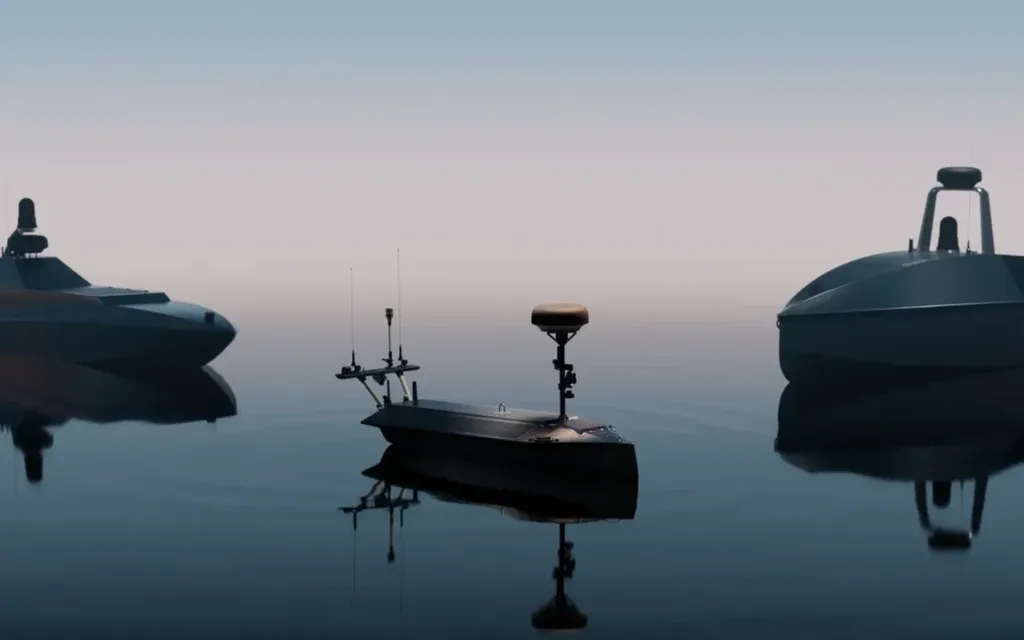
The US Department of Defense has thrown its weight behind maritime innovation, awarding Seasats a $24 million contract through the Accelerate the Procurement and Fielding of Innovative Technologies (APFIT) programme. This isn’t just another defence deal—it’s a vote of confidence in autonomous maritime tech, and a signal that the Navy and Marine Corps are serious about scaling up.
Seasats, known for its long-duration autonomous surface vessels, will use the funding to accelerate production and deployment. The APFIT programme, launched in 2022, is designed to fast-track technologies that have moved past development and are ready for operational use. This means Seasats’ tech isn’t just promising—it’s proven.
The selection comes as no surprise, given the Navy’s growing appetite for autonomous systems. Over the past year, Seasats has been busy, racking up an $89 million contract and diving into various prototyping projects with the Navy and Marine Corps. This isn’t a one-off experiment; it’s part of a broader push to integrate autonomous vessels into maritime operations.
For Seasats, this contract is a major milestone. It validates their approach and positions them as a key player in the defence sector’s digital transformation. But the implications stretch further. The APFIT programme is specifically aimed at small businesses and non-traditional defence partners, ensuring that innovation isn’t just coming from the usual suspects. This is about democratising defence tech, opening the door for fresh ideas and agile solutions.
The Navy’s embrace of autonomous systems reflects a broader trend in maritime technology. From commercial shipping to naval operations, autonomy is reshaping how we think about vessels, crew, and mission capabilities. Seasats’ success could inspire a wave of similar innovations, pushing the industry to rethink what’s possible.
As the Department of Defense continues to invest in cutting-edge maritime tech, one thing is clear: the future of naval operations is autonomous, and companies like Seasats are leading the charge.