
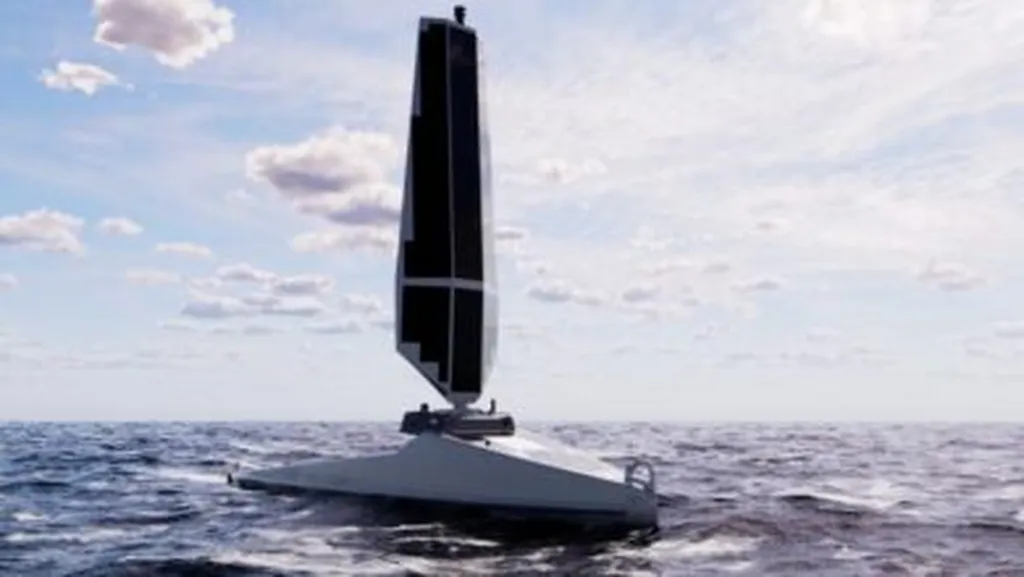
James Fisher and Sons, the UK-based marine services giant, has taken a strategic minority stake in U.S. autonomous marine tech firm Ocean Aero as part of its Series D funding round. The move is a clear bet on the future of uncrewed, low-emission marine operations and a bold step in James Fisher’s push into autonomous systems.
Ocean Aero’s Triton Autonomous Underwater and Surface Vehicle (AUSV) is a wind- and solar-powered platform designed to operate both above and below the sea surface, collecting and transmitting data remotely. It’s a versatile tool for marine monitoring, subsea data collection, and applications in offshore energy and defense.
For James Fisher, this investment isn’t just about tech—it’s about strategy. The company has been vocal about its dual-use approach across energy and defense, and Triton fits neatly into that vision. By backing Ocean Aero, James Fisher is expanding its access to next-generation autonomous systems and strengthening its position in marine monitoring and subsea intervention markets.
Sean Huff, head of ventures and chief digital officer at James Fisher, put it bluntly: “The Ocean Aero team and technology are both incredibly impressive – and we are delighted to support their international expansion through the James Fisher global network of customers. Ocean Aero’s autonomous platform complements our established marine and subsea capabilities and strengthens our ability to deliver innovative solutions for our customers across the Group. This is exactly the type of technology that supports James Fisher’s long-term strategic direction. We look forward to working closely together to drive growth and expansion.”
This isn’t just a financial play. James Fisher is embedding itself in the development and deployment of Triton, leveraging its global network to accelerate Ocean Aero’s market reach. It’s a classic example of how established players are increasingly partnering with innovative startups to stay ahead in the rapidly evolving maritime tech landscape.
Kevin Decker, CEO of Ocean Aero, echoed this sentiment: “Our partnership with James Fisher represents an evolution of Ocean Aero’s ability to reach critical customers around the world. By going to market with James Fisher’s respected team of experienced professionals around the world in the defence and energy space, we will learn from them, increase our footprint, and ultimately deliver even better world-class services to our customers than we could do so alone.”
This collaboration could reshape how marine monitoring and subsea operations are conducted. Triton’s ability to operate autonomously reduces risks, lowers emissions, and cuts costs—key priorities for industries like offshore energy and defense. As James Fisher integrates Triton into its service offerings, it could set a new standard for efficiency and sustainability in marine operations.
The investment also signals a broader trend: the convergence of traditional maritime expertise with cutting-edge autonomous technology. As industries increasingly demand data-driven, low-emission solutions, partnerships like this one will likely become the norm. The question now is who will follow James Fisher’s lead and place their bets on the next wave of maritime innovation.