
In the quest for zero-emission shipping, researchers are turning to Low-Temperature Polymer Electrolyte Membrane Fuel Cells (LT-PEMFCs) as a promising alternative to traditional power sources. However, before these fuel cells can become a mainstream solution, their durability in maritime conditions needs to be thoroughly understood and improved. A recent review published in ‘Energy Conversion and Management: X’ (translated as Energy Conversion and Management: New Perspectives) sheds light on this very topic, offering insights that could accelerate the adoption of LT-PEMFCs in the maritime sector.
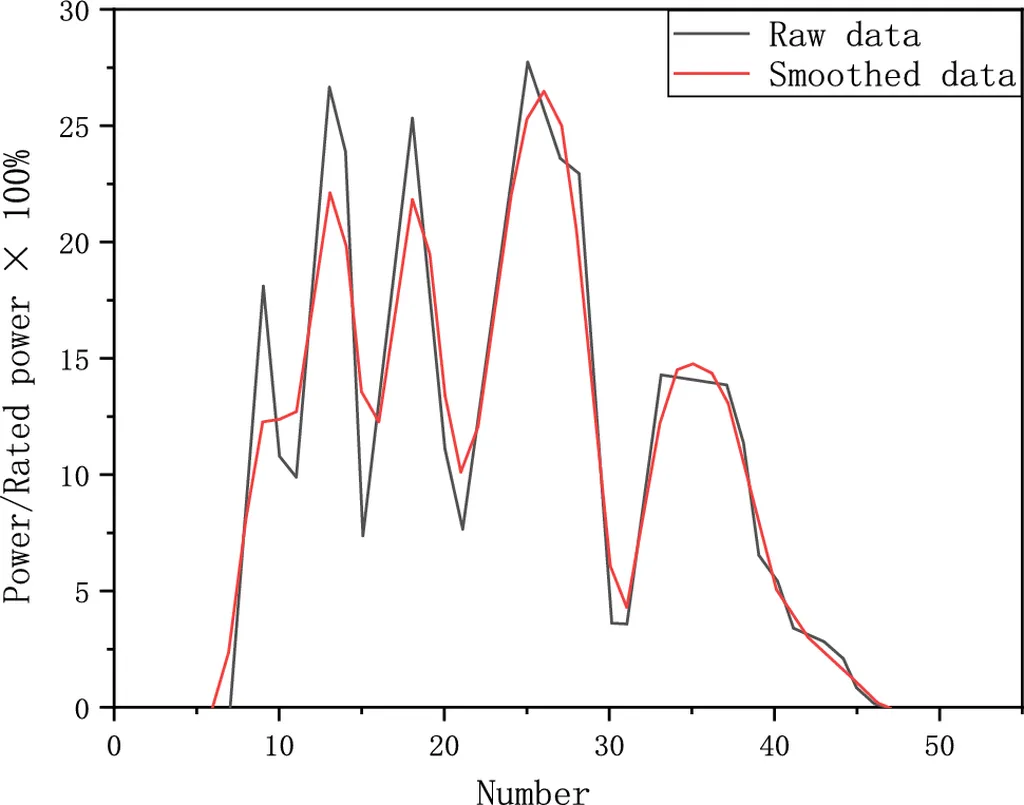
Dr. Sara Tamburello, a researcher at Delft University of Technology in the Netherlands, led this comprehensive review. She and her team delved into the unique challenges that LT-PEMFCs face in maritime applications, such as varying ship load profiles, sodium chloride contamination, vibrations, and wave-induced inclinations. “Understanding these maritime-specific degradation drivers is crucial for enhancing the durability of LT-PEMFCs,” Tamburello explained.
The review highlights that while LT-PEMFCs have shown promise in other sectors, their application in shipping requires a tailored approach. Current prognostic models, which predict the lifespan and performance of fuel cells, often fall short when applied to maritime conditions. Tamburello and her team critically evaluated existing models and identified key gaps that need to be addressed.
So, what does this mean for the maritime industry? The good news is that LT-PEMFCs present a significant opportunity for shipping companies to reduce their carbon footprint and meet increasingly stringent environmental regulations. However, to fully harness this potential, the industry needs to invest in research and development to improve the durability and reliability of these fuel cells in maritime environments.
Tamburello suggests that enhancing LT-PEMFC durability involves a combination of material improvements, better system design, and more accurate prognostic models. “By addressing these aspects, we can make LT-PEMFCs a more viable and attractive option for zero-emission ships,” she said.
The review also outlines promising prognostic methodologies and identifies technical challenges that need to be overcome. By tackling these issues, the maritime sector can pave the way for a more sustainable future.
In essence, this research underscores the need for a collaborative effort between academia, industry, and policymakers to drive the adoption of LT-PEMFCs in maritime applications. As Tamburello puts it, “The journey towards zero-emission shipping is complex, but with the right strategies and investments, it’s a goal within our reach.”
For maritime professionals, this review serves as a valuable resource, offering a clear roadmap for enhancing the durability of LT-PEMFCs and unlocking their potential in the shipping industry. By staying informed and proactive, the maritime sector can play a pivotal role in shaping a greener and more sustainable future.