
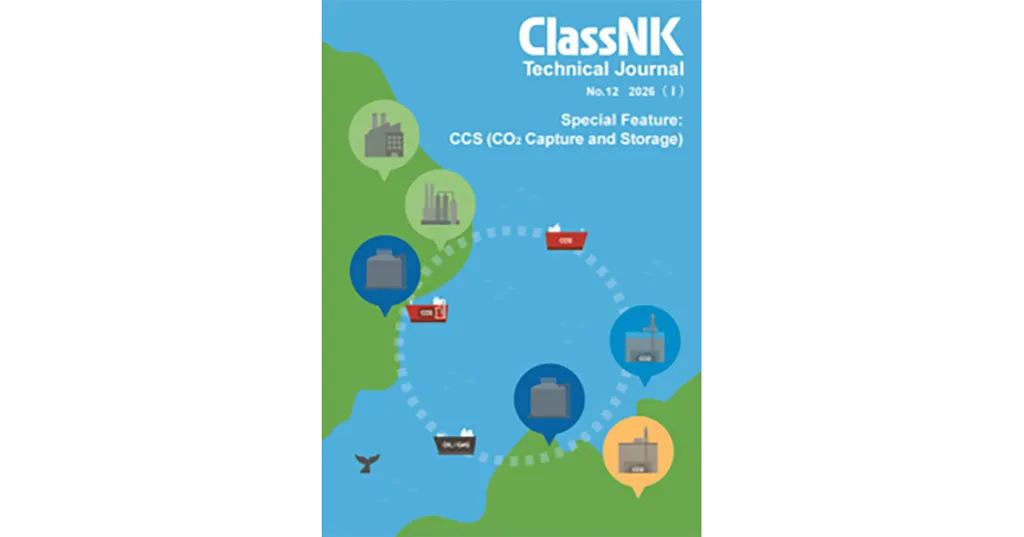
ClassNK has just dropped its latest “ClassNK Technical Journal,” and this one’s a game-changer for the maritime industry. Packed with cutting-edge research and insights, the journal is a no-brainer for anyone serious about the future of shipping and sustainability.
The latest issue, “ClassNK Technical Journal No.12 2026 (Ⅰ),” zeroes in on CO2 Capture and Storage (CCS), a hot topic as the industry races toward a greener future. The journal doesn’t just scratch the surface—it dives deep, offering a comprehensive look at the challenges and opportunities in onboard CCS.
ClassNK has been busy compiling its expertise and insights on onboard CCS, and this issue features not one but two articles summarizing their findings. These aren’t just theoretical musings; they’re practical, actionable insights that could shape how the industry approaches CO2 capture and storage on vessels.
But ClassNK didn’t go it alone. They’ve teamed up with heavyweights like Mitsubishi Heavy Industries, Ltd., a company with serious credentials in CO2 capture tech. Mitsubishi’s contribution brings real-world experience to the table, covering both onshore and onboard applications. This isn’t just about the tech—it’s about proven solutions that are already making waves.
The journal also shines a spotlight on the maritime transportation of liquefied CO2, a critical piece of the puzzle for building a global CO2 value chain. Articles from the New Energy and Industrial Technology Development Organization (NEDO) and the Japan Organization for Metals and Energy Security (JOGMEC) break down the nuts and bolts of liquefied CO2 ship transportation. These aren’t just academic exercises; they’re roadmaps for turning CO2 into a tradable commodity.
“This issue provides readers with a comprehensive overview of CO2 capture, storage, and transportation in the maritime sector,” said a spokesperson for ClassNK. And they’re not exaggerating. From the treatment and issues of onboard CO2 capture to the latest guidelines and technology development, this journal covers it all.
But it doesn’t stop at CCS. The journal also tackles other pressing topics, like the prospects for offshore wind power and ClassNK’s initiatives for the safety of related work vessels. It even delves into the current status of Maritime Autonomous Surface Ships (MASS) and ClassNK’s role in shaping their future.
And let’s not forget the nitty-gritty of maritime operations. Articles on lifting appliances, anchor handling winches, and cost simulation based on IMO’s mid-term GHG reduction measures ensure that the journal is as practical as it is visionary.
In short, “ClassNK Technical Journal No.12 2026 (Ⅰ)” is a must-read for anyone invested in the future of maritime technology and sustainability. It’s not just about keeping up with the latest trends—it’s about staying ahead of the curve. And with contributions from industry leaders and experts, this journal is a powerful tool for driving innovation and progress in the maritime sector.