
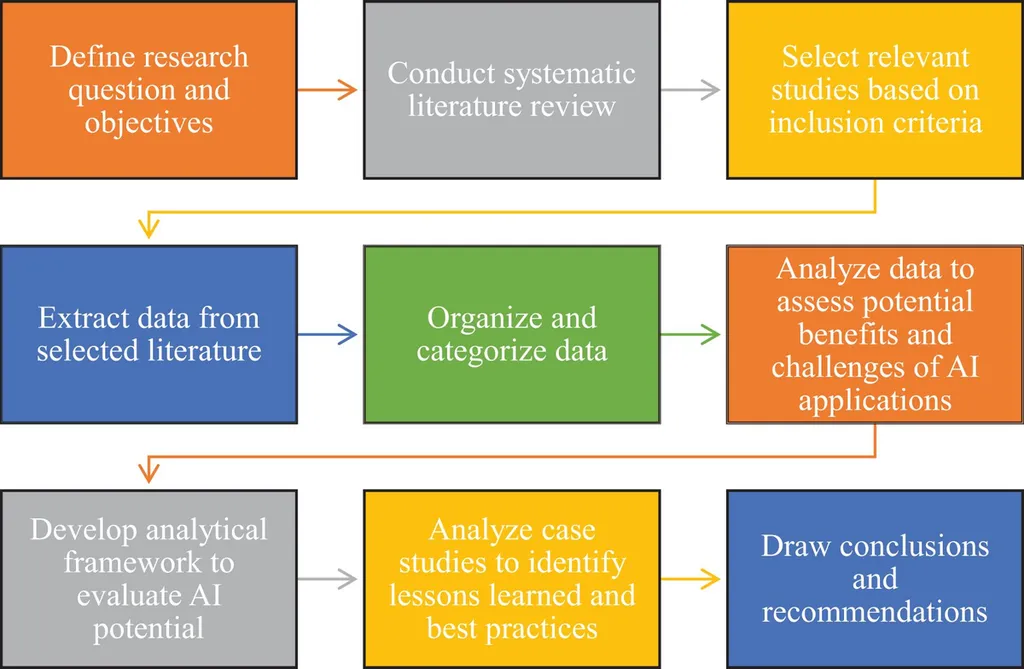
In the bustling maritime hub of West Pomeranian Voivodeship, Poland, a recent study has shed light on how artificial intelligence (AI) is making waves in the business world. Led by Ludmiła Filina-Dawidowicz from the Department of Logistics and Transport Economics at the West Pomeranian University of Technology in Szczecin, the research delves into the benefits and concerns surrounding AI adoption in local enterprises.
The study, published in the journal ‘Applied Sciences’ (translated from Polish), surveyed representatives from various companies in the region. The findings reveal that AI implementation is not a one-size-fits-all solution. Instead, it requires a tailored approach based on the company’s size, market type, and organizational context. This is crucial for maritime professionals to understand, as the sector is increasingly embracing digital transformation.
Filina-Dawidowicz emphasized, “A customized approach to the implementation of AI technology is needed.” This sentiment resonates particularly in the maritime industry, where operations can vary greatly from one company to another. For instance, a large shipping corporation might benefit from AI-driven predictive maintenance, while a smaller port operator could leverage AI for optimizing cargo handling.
The study also found that perceptions of AI benefits and concerns vary depending on the company’s size and sector. This is a significant insight for maritime businesses, as it underscores the importance of understanding one’s specific context before diving into AI adoption. For example, a shipbuilding company might have different AI needs and concerns compared to a maritime logistics firm.
Commercially, the implications are substantial. AI can streamline operations, reduce costs, and enhance decision-making. In the maritime sector, this could mean more efficient fleet management, improved route planning, and better predictive maintenance, leading to significant cost savings and increased efficiency.
However, the study also highlights concerns, such as data security and the need for specialized skills. These are valid points for maritime businesses to consider. As Filina-Dawidowicz noted, “Respondents’ perception of benefits and concerns varies depending on the number of employees and sector in which the company operates.” This variability means that while AI presents immense opportunities, it also requires careful consideration and planning.
In conclusion, the study serves as a valuable guide for maritime businesses in West Pomeranian Voivodeship and beyond. It underscores the need for a tailored approach to AI adoption and highlights both the opportunities and challenges that come with it. As the maritime industry continues to evolve, understanding and leveraging AI will be key to staying competitive. The study, published in ‘Applied Sciences’ (translated from Polish), provides a solid foundation for maritime professionals to navigate this digital transformation.