
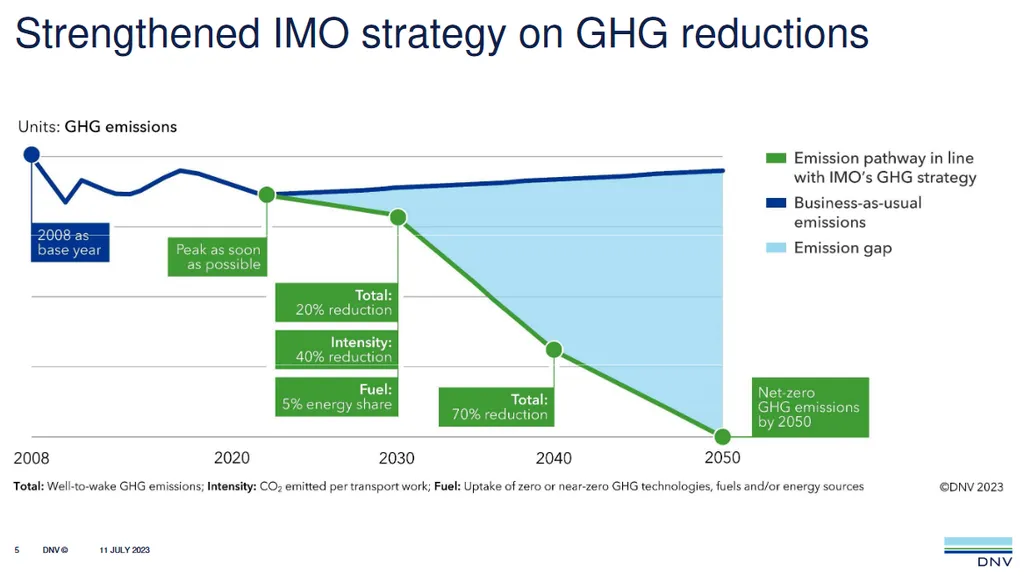
In a recent study published in the journal ‘Energies’, lead author Carmen Luisa Vásquez Stanescu from the Mediterranean Institute for Agriculture, Environment and Development at the University of Évora, Portugal, delves into the critical role of energy vectors like Liquefied Natural Gas (LNG), green hydrogen, and ammonia in the maritime sector’s journey towards net-zero emissions by 2050. The research offers a comprehensive analysis of these energy sources, their infrastructure requirements, and the challenges and opportunities they present for the maritime industry.
The study highlights that LNG is currently serving as a transitional solution, helping to reduce emissions compared to traditional heavy fuel oil. However, the long-term decarbonization of the maritime sector will likely hinge on green hydrogen and ammonia. “Hydrogen and ammonia are emerging as key elements for this shift,” Vásquez Stanescu notes, emphasizing their potential as long-term pillars for decarbonization.
One of the most significant findings of the research is the need for maritime ports to evolve into energy hubs. This transformation is crucial for the safe handling, cryogenic storage, and bunkering operations of these new energy vectors. The study maps out the global port infrastructure required to support these activities, providing a detailed evaluation of their technical specifications and decarbonization potential.
For maritime professionals, the study underscores both challenges and opportunities. On one hand, the transition to these new energy vectors will require substantial investments in infrastructure and technology. On the other hand, it opens up new avenues for innovation and growth. The development of green hydrogen and ammonia as marine fuels could create new markets and business models, particularly in the realm of bunkering and energy storage.
The study also highlights the importance of regulatory frameworks in facilitating this transition. Clear guidelines and standards will be essential to ensure the safe and efficient use of these new energy vectors. Moreover, the research emphasizes the need for sustainability considerations to be at the forefront of these developments.
In summary, Vásquez Stanescu’s research provides a critical perspective on the role of LNG, green hydrogen, and ammonia in the maritime sector’s journey towards net-zero emissions. It offers valuable insights for maritime professionals, policymakers, and investors, highlighting the need for infrastructure development, regulatory frameworks, and sustainability considerations. As the maritime industry navigates this complex transition, the study serves as a vital resource for understanding the opportunities and challenges that lie ahead.