
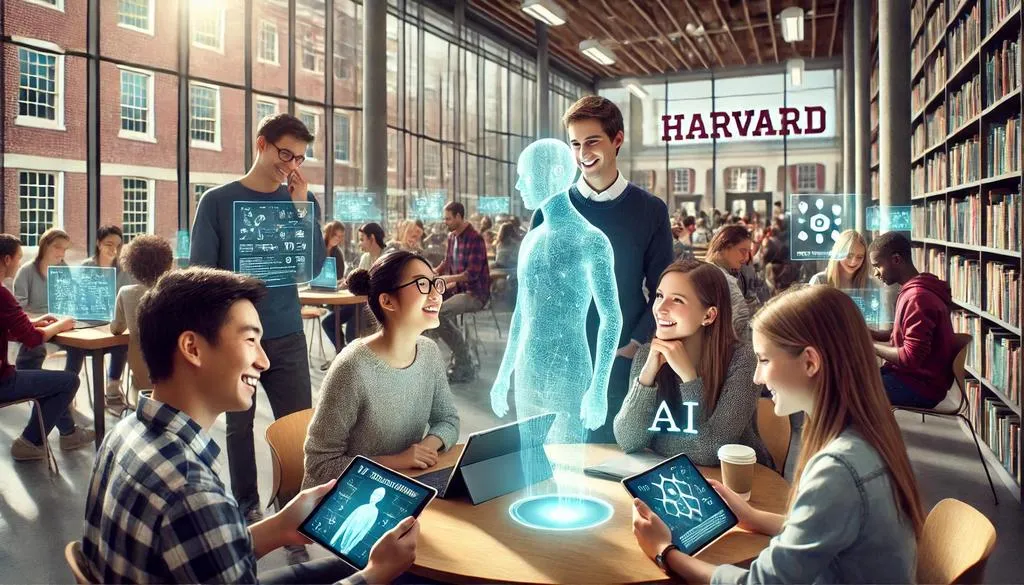
Vijay Janapa Reddi, a renowned professor in the Department of Computer Science at Harvard University, has introduced TinyTorch, a groundbreaking curriculum designed to bridge the gap between machine learning algorithms and systems engineering. This innovative educational approach aims to equip students with a comprehensive understanding of both the theoretical and practical aspects of machine learning, ensuring they are well-prepared to tackle real-world challenges in AI deployment.
TinyTorch is structured around 20 modules, where students are guided through the implementation of core components of PyTorch, including tensors, autograd, optimizers, and neural networks, all in pure Python. The curriculum is meticulously designed to integrate systems thinking from the outset, ensuring that students are aware of memory usage and computational performance from the very beginning. This approach contrasts sharply with traditional education models that often separate algorithms from systems, leaving graduates ill-prepared to debug and optimize machine learning systems in production environments.
The curriculum employs three key pedagogical principles to enhance learning. Progressive disclosure gradually introduces complexity as students build confidence, allowing them to absorb and apply new concepts effectively. Systems first integration ensures that memory and performance considerations are embedded throughout the learning process, fostering a holistic understanding of machine learning systems. Historical milestone validation guides students to recreate significant breakthroughs in AI, from the Perceptron in 1958 to modern Transformers, using only the code they have developed themselves. This hands-on approach not only deepens their understanding but also provides a tangible connection to the evolution of machine learning.
One of the most notable aspects of TinyTorch is its accessibility. The curriculum requires only a laptop with 4GB of RAM and no GPU, making it feasible for students worldwide to participate without needing high-end hardware. This democratization of machine learning education is crucial for fostering a diverse and skilled workforce capable of advancing AI technologies.
By focusing on the “why” and “how” of machine learning systems, TinyTorch aims to produce a new generation of AI engineers who are not only proficient in applying machine learning techniques but also adept at optimizing and scaling these systems. This comprehensive understanding is essential for addressing the complexities of real-world AI deployment, where performance, efficiency, and reliability are paramount.
The TinyTorch curriculum is available as open source at mlsysbook.ai/tinytorch, inviting educators and students alike to explore and contribute to this innovative approach to machine learning education. As the field of AI continues to evolve, initiatives like TinyTorch are pivotal in ensuring that the next generation of engineers and researchers are well-equipped to meet the challenges and opportunities ahead. Read the original research paper here.