
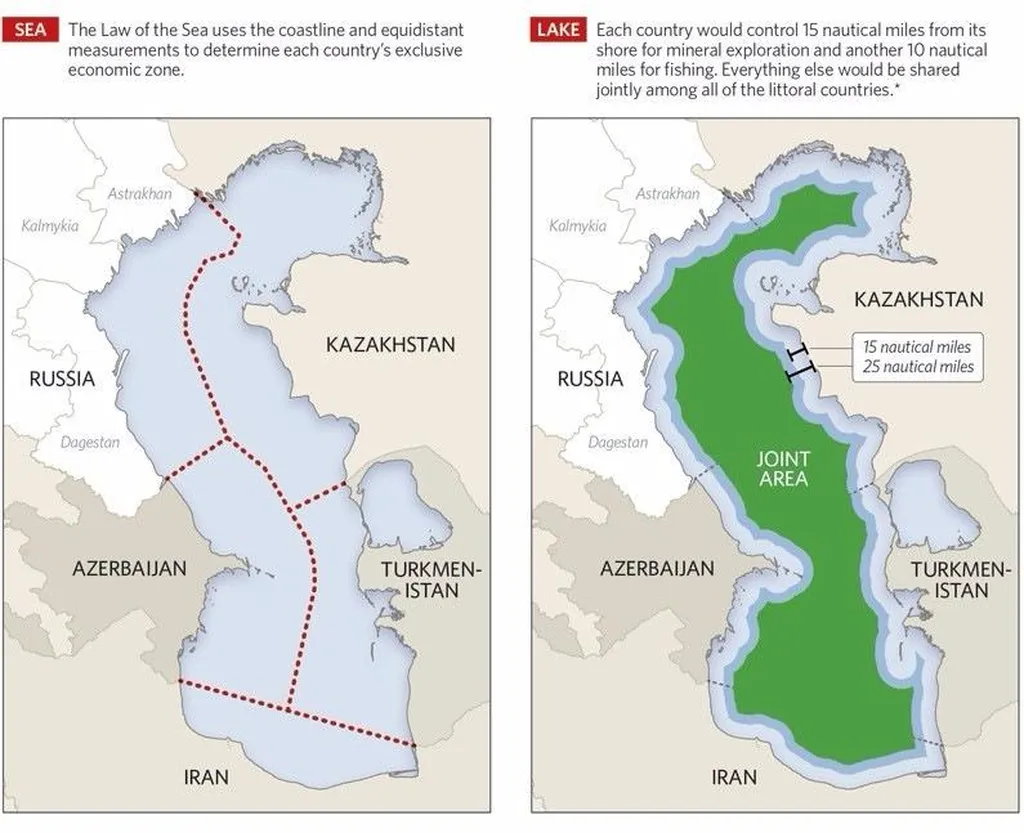
In the vast, geopolitically complex Caspian Basin, a new study is making waves, offering a roadmap to unlock the region’s maritime tourism potential. Led by Zhanyl Bekmurzayeva from the Tourism Department at L.N. Gumilyov Eurasian National University in Astana, Kazakhstan, the research published in the ‘Geo Journal of Tourism and Geosites’ (which translates to ‘Geo Journal of Tourism and Geological Sites’) is a deep dive into the opportunities and challenges of Caspian maritime tourism.
The study, a mix of quantitative and qualitative analysis, uses a combination of models and stakeholder interviews to paint a picture of the region’s tourism landscape. Bekmurzayeva and her team found that while there are significant barriers to growth, such as policy fragmentation, infrastructural gaps, and ecological concerns, there are also substantial opportunities, particularly in cross-border cooperation and unified regional branding.
So, what does this mean for maritime professionals? Well, the study highlights the potential of the Caspian Tourism Corridor and the Silk Road Heritage for joint regional branding. Imagine a unified marketing strategy that leverages the rich history and unique maritime experiences of the Caspian Basin. This could attract a whole new wave of tourists, boosting everything from cruise operators to coastal hospitality businesses.
The study also underscores the importance of sustainability-focused policies. As Bekmurzayeva puts it, “sustainability-focused policies and a unified Silk Road branding strategy are vital for strengthening the Caspian Basin’s tourism competitiveness.” This is a clear call to action for policymakers and industry stakeholders to work together, creating a more sustainable and competitive tourism sector.
Moreover, the research reveals striking asymmetries in tourism competitiveness across the Caspian region. This presents opportunities for investors and businesses to fill gaps and capitalize on untapped potential. As the study suggests, structured project management and coordinated governance could drive sustainable, inclusive, and resilient tourism development.
In essence, this study is a wake-up call and a roadmap for the Caspian Basin’s maritime tourism sector. It’s a call to action for cross-border collaboration, unified branding, and sustainable growth. And for maritime professionals, it’s an invitation to explore new opportunities in a region ripe for development. As the study concludes, “the Caspian Basin’s tourism competitiveness can be significantly enhanced through strategic recommendations and cross-border collaboration.” So, it’s time to set sail and explore the vast potential of the Caspian Basin.