
In a bid to shed light on the persistent challenges of achieving universal energy access, a recent study published in the *International Journal of Sustainable Energy* (translated from its original name) offers a fresh perspective on Sustainable Development Goal 7 (SDG-7). The research, led by Yuvarajan Devarajan from the Department of Mechanical Engineering at Saveetha School of Engineering, Saveetha University in Chennai, India, delves into the complexities of decentralized energy systems and the barriers hindering progress.
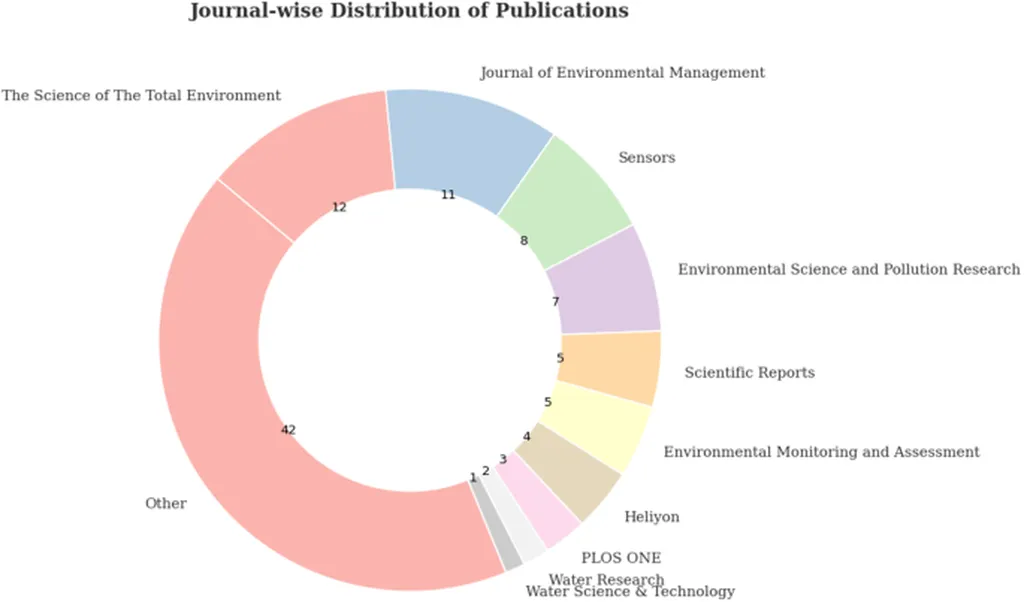
The study, which synthesizes peer-reviewed research and international datasets from 2015 to 2025, evaluates centralized, decentralized, and hybrid energy systems based on technical maturity, affordability, governance feasibility, and socio-environmental impacts. Devarajan and his team employ a structured barrier-to-intervention framework to identify context-specific challenges, such as intermittency, financing risk, institutional capacity, infrastructure gaps, and climatic and geopolitical exposure. The research also highlights viable technological and policy responses to these obstacles.
For maritime professionals, the implications are significant. The shipping industry, which is a major consumer of energy, stands to benefit from advancements in decentralized energy systems. These systems can provide reliable and clean energy solutions for ports and coastal communities, reducing the industry’s carbon footprint and contributing to SDG-7.
“Despite declining renewable energy costs, around 685 million people lack electricity and more than 2 billion depend on traditional biomass for cooking,” notes Devarajan. This stark reality underscores the urgent need for innovative energy solutions, including those that can be applied in maritime settings.
The study also presents comparative case studies from India, Sub-Saharan Africa, Southeast Asia, and Latin America, demonstrating how similar technologies can yield divergent outcomes based on institutional and market contexts. This nuanced understanding is crucial for maritime stakeholders seeking to implement energy solutions tailored to specific regions and contexts.
In terms of commercial opportunities, the shift towards decentralized energy systems opens up new avenues for investment and collaboration. Maritime companies can explore partnerships with energy providers to develop and deploy clean energy technologies in ports and along shipping routes. Additionally, the demand for energy storage and management systems presents opportunities for innovation and market growth.
As the maritime industry continues to grapple with the challenges of decarbonization and sustainability, the insights from Devarajan’s research offer valuable guidance. By embracing decentralized energy systems and addressing the identified barriers, the sector can play a pivotal role in advancing SDG-7 and contributing to a more sustainable future.
In the words of Devarajan, “A structured barrier-to-intervention framework identifies context-specific challenges, including intermittency, financing risk, institutional capacity, infrastructure gaps, and climatic and geopolitical exposure, alongside viable technological and policy responses.” This comprehensive approach is essential for driving progress and ensuring that the benefits of clean energy are accessible to all.