
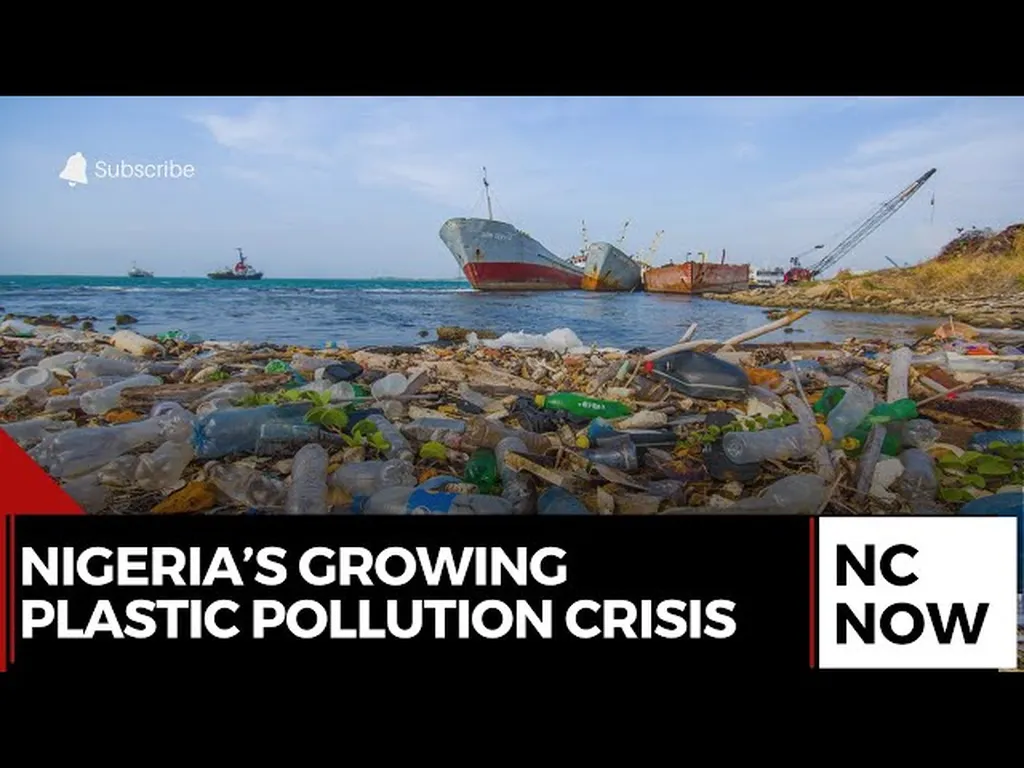
In the heart of Nigeria’s Delta State, a silent, insidious pollutant is making its presence known, and it’s not the kind of news that will make the maritime industry cheer. Polychlorinated biphenyls, or PCBs for short, are the stars of a recent study led by Amaka Michael from the Department of Environmental Management and Pollution at the Nigeria Maritime University. These chemicals, once widely used in industrial applications, have been banned for decades due to their environmental persistence and toxicity. Yet, they’re still turning up in soil and plants around Koko Town, and the levels are cause for concern.
Michael and her team set out to investigate PCB concentrations in soils and commonly consumed plants from five sites around industrial areas in Koko Town. They found that mean PCB concentrations were significantly higher in plants (20.75 mg/kg) than in soils (10.32 mg/kg), with both matrices exceeding the World Health Organization (WHO) recommended limits. That’s a red flag, folks. “The findings underscore the need for regular monitoring and mitigative strategies for communities vulnerable to PCB pollution,” Michael stated, driving home the urgency of the situation.
So, what does this mean for the maritime industry? Well, for starters, it’s a wake-up call. The Niger Delta is a hotbed of maritime and industrial activity, and this study highlights the potential environmental and health risks that come with it. Shipping companies, port authorities, and other stakeholders in the region need to be aware of these findings and take steps to mitigate the impact of their operations on the local environment and communities.
But it’s not all doom and gloom. This study also presents an opportunity for the maritime industry to step up and show its commitment to sustainable practices. By investing in regular environmental monitoring and implementing mitigative strategies, companies can not only protect the health of local communities but also enhance their own reputation and bottom line. After all, in today’s world, sustainability is not just a nice-to-have—it’s a must-have.
The study, published in the journal Scientific Reports (translated to English as “Scientific Reports”), also highlights the need for further research into the distribution and health risks of PCBs in industrial and residential areas in Nigeria. This is where the maritime industry can play a crucial role. By funding and supporting research initiatives, companies can help to fill the knowledge gaps and drive the development of effective mitigation strategies.
In the meantime, it’s clear that the maritime industry needs to take action. The findings of this study are a stark reminder that the health of our oceans, our communities, and our businesses are all intertwined. By taking steps to mitigate the impact of PCBs and other pollutants, the maritime industry can help to ensure a sustainable and prosperous future for all. As Michael put it, “The estimated daily intake (EDI) for adults and children exceeded the USEPA reference dose (0.000007 mg/kg) with a hazard ratio > 1, indicating a notable health risk, particularly for children.” That’s a sobering thought, and one that should spur the maritime industry into action.