
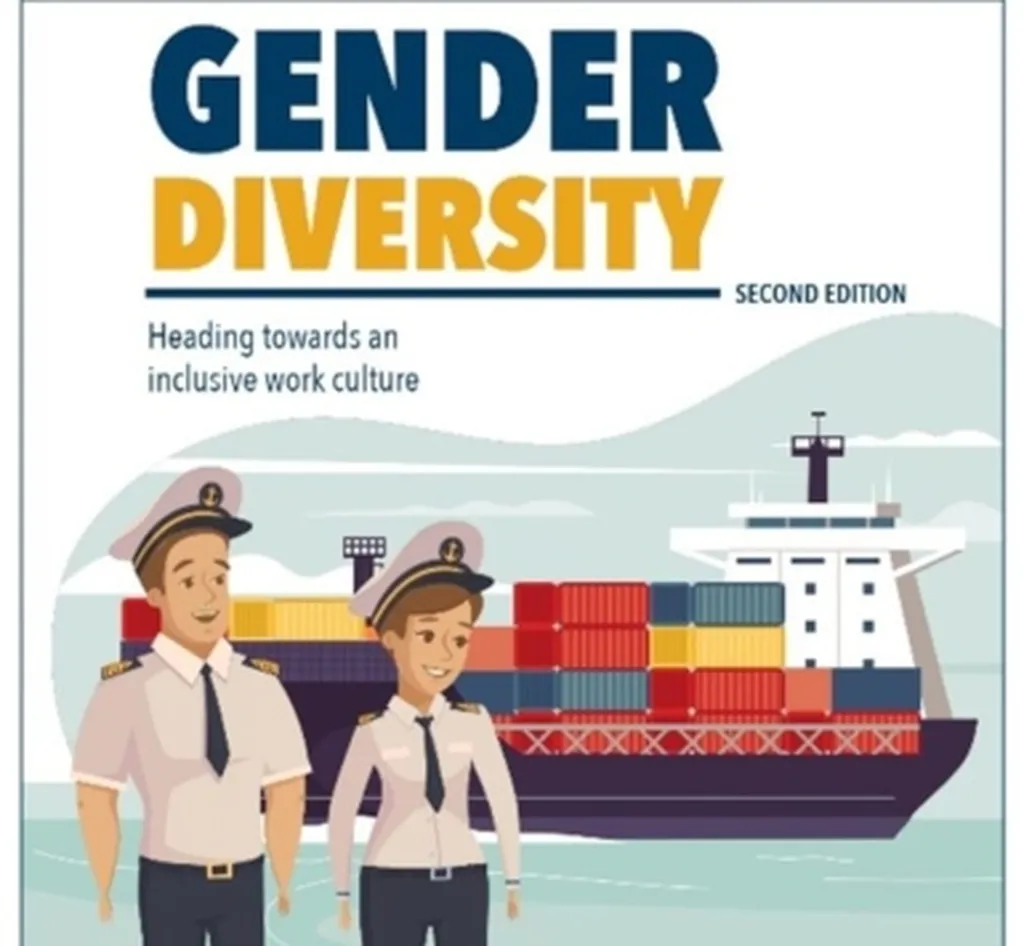
The maritime industry is on the cusp of a significant shift, one that goes beyond the traditional focus on technical skills and operational efficiency. In early 2026, a new online course, “Introduction to Sexual Harassment Awareness for the Maritime Workplace,” will be released, specifically designed for maritime professionals, crews, supervisors, and shoreside personnel. This course addresses a long-standing gap in industry training and supports a healthier, safer, and more productive maritime environment.
Life and work at sea differ from traditional workplaces in every way. Crew members live where they work, operate in close quarters for extended periods, and come from widely varying cultural backgrounds. Hierarchical structures are deeply ingrained, creating a unique environment where misunderstandings can escalate quickly, and inappropriate behaviour may go unreported due to isolation, fear of retaliation, or uncertainty about what constitutes harassment. Generic corporate training simply doesn’t reflect these realities. The new course is built around scenarios, challenges, and communication dynamics that maritime workers actually encounter, whether on deck, in the engine room, on the bridge, or in port.
“The maritime industry is at a turning point,” says Steve Richards, VIRSEC Director. “As technology advances, global shipping expands, and crew demographics evolve, the expectation for professional, respectful behaviour is becoming just as important as technical competence. Harassment undermines trust, damages morale, and jeopardizes operational safety. Awareness training is not a ‘nice to have’; it is essential risk management, leadership development, and human-centered safety practice.”
The growing demand for safer, more inclusive maritime workplaces is driven by several industry-wide trends. Recruitment and retention challenges are at the forefront, as the industry works to attract new talent, particularly women and younger workers. Addressing harassment is essential to building trust and ensuring that seafarers feel safe and valued. Additionally, many flag states, operators, and charterers are strengthening their policies and requiring documented training related to workplace conduct. Compliance isn’t just a legal responsibility; it’s a professional standard.
Research consistently shows that crews who feel respected communicate better, experience fewer conflicts, and perform more effectively during routine work and emergencies. The new course offers clear definitions and examples tailored to maritime operations, realistic case studies drawn from life at sea and port environments, guidance for bystanders and supervisors on how to respond appropriately, strategies for building respectful onboard culture, confidential reporting guidance adapted to maritime settings, and interactive assessments that reinforce learning and comprehension. The course is suitable for all ranks and roles, and it supports the development of stronger, safer crew cultures.
By equipping maritime professionals with the knowledge and confidence to recognise and address harassment, we strengthen not just individual vessels, but the industry as a whole. As we look ahead to 2026 and beyond, this new course will help crews foster respect, improve communication, and uphold the highest standards of professionalism; whether at sea or ashore. If your company or crew is committed to creating a healthier and more respectful maritime culture, this training is an important step toward that goal. Every seafarer deserves respect. Make harassment prevention a core part of your safety culture. Register your crew for the 2026 training program and lead the change our industry needs. Contact us to discuss how we will assist your company in providing this training.