
The latest issue of Ship Technology Global magazine dives deep into the cruise sector, offering a comprehensive look at the industry’s latest developments and challenges. From the $250 million revamp of Celebrity Cruises’ Solstice fleet to the delicate balance of expedition tourism in the Arctic, this issue covers the spectrum of maritime innovation and sustainability.
Celebrity Solstice, nearly two decades after her maiden voyage, is spearheading a significant transformation under the programme “Redesign Reignite and Renew.” This $250 million overhaul aims to modernise the Solstice fleet, blending nostalgia with cutting-edge advancements. As Frances Marcellin explores, this initiative is not just about aesthetic upgrades but also about enhancing the overall guest experience and operational efficiency. The Solstice fleet’s revamp is a testament to the cruise industry’s commitment to continuous improvement and adaptation to evolving passenger expectations.
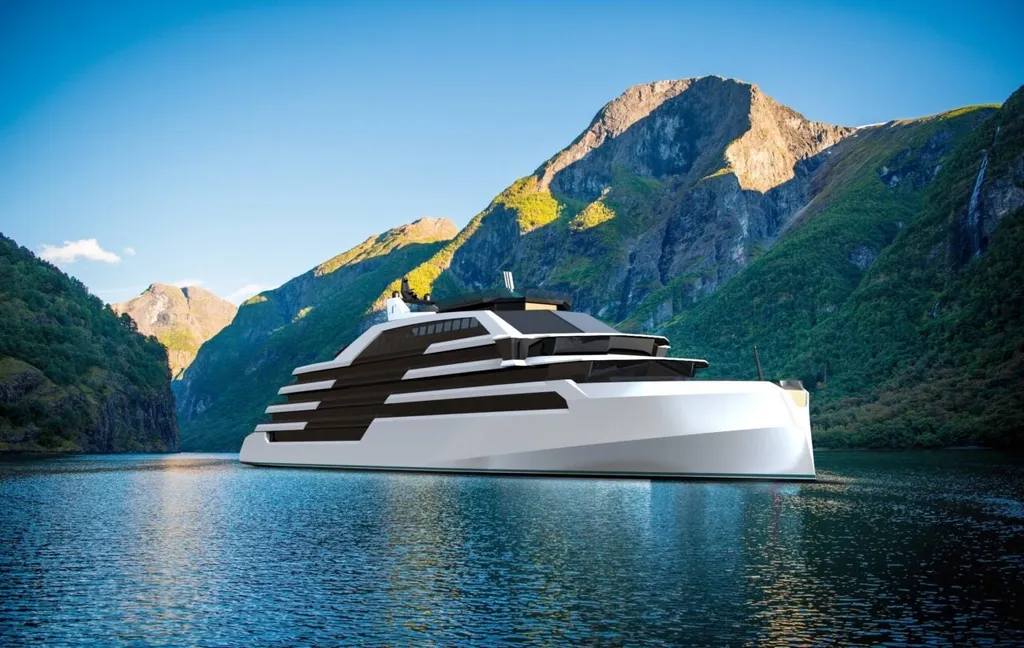
Meanwhile, the Arctic region is witnessing a surge in expedition tourism, a trend that demands careful consideration due to the environment’s fragility. G Adventures is set to re-enter the Arctic in 2026 with a renovated ship, aligning with broader industry efforts to protect this delicate ecosystem. Marcellin delves into how the company’s return fits into the larger picture of sustainable tourism and environmental stewardship. The Arctic’s pristine landscapes and unique wildlife make it a prime destination for adventurous travellers, but the industry must tread lightly to preserve its natural beauty for future generations.
In a significant move towards reducing emissions, Copenhagen Port has launched Europe’s largest onshore power facility. This €33 million project will supply shore power to 300 cruise ships annually, cutting CO2 emissions by 17,000 tonnes. As Marcellin investigates, this initiative is a crucial step towards meeting the EU’s maritime decarbonisation targets. By providing ships with the ability to shut off their engines and plug into the local power grid, Copenhagen Port is setting a benchmark for sustainable port operations.
The Royal Port of Barrow in Scotland is making waves with a vast solar array project at Cavendish Dock, which could become the largest floating solar scheme in Britain. This project aims to supply clean energy to local households and support the town’s growing defence sector. Marcellin explores how this initiative is contributing to green energy goals and fostering economic growth in the region. The integration of renewable energy sources into maritime operations is a growing trend, reflecting the industry’s commitment to sustainability and innovation.
The magazine also highlights the adoption of AR and VR technologies to improve maritime training. Keri Allan investigates how these immersive technologies are revolutionising the way maritime professionals are trained, providing realistic simulations that enhance learning outcomes. From navigating complex scenarios to practising emergency procedures, AR and VR are proving to be invaluable tools in the maritime training arsenal.
Cybersecurity remains a critical concern for the maritime industry, with cyber threats targeting maritime operations on the rise. Allan explores the strategies being employed to enhance cybersecurity resilience, ensuring the safety and security of maritime operations in an increasingly digital world. As ships become more connected, the need for robust cybersecurity measures has never been greater.
The development of maritime autonomous surface ships (MASS) is another hot topic. Allan delves into the innovative advancements in this field, examining the safety protocols, regulatory challenges, and potential impact on maritime security. As technology evolves, the maritime industry must navigate the complexities of integrating autonomous vessels into existing operations while ensuring safety and security.
Angelo Soraci, projects director at Bluestone Group, explains how cruise operators are adapting retrofit strategies and lessons learned from on-voyage execution. This approach allows for continuous improvement and innovation, ensuring that cruise ships remain at the forefront of technology and sustainability.
Jukka Suvanto, senior sales manager at Elomatic, highlights the development of a novel means of mitigating the impact of underwater radiated noise from ships. This initiative is crucial for addressing a significant threat to marine life and preserving the health of our oceans. By harnessing the power of computational fluid dynamics, the maritime industry is making strides in reducing its environmental footprint.
In the next issue, Ship Technology Global will explore the latest developments for seafarers, including improving safety with new wearables and enhancing operations through crew hiring and rostering software. The magazine will also delve into the renewed interest in wind-assisted propulsion as part of the maritime industry’s shift away from carbon-based propulsion.
For all this and more, read the latest issue of Ship Technology Global magazine. Stay up to date with the latest maritime industry news, comment, and analysis by following @ShipTechMag. Don’t miss out on the opportunity to sign up for email alerts and be the first to know when a new issue is available.