
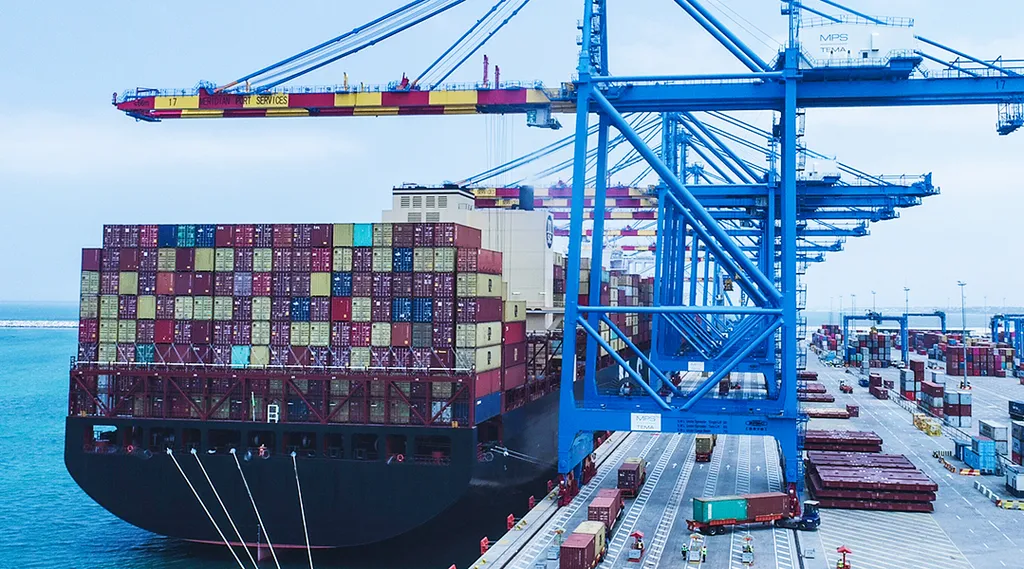
Ghana stands at a critical juncture in its economic evolution. While traditional sectors like agriculture, energy, and manufacturing remain vital, an often-overlooked opportunity lies along the country’s coastline: the maritime sector. This industry, which drives over 80% of global trade, has transformed economies worldwide but remains underdeveloped in Ghana. With its strategic location along the Gulf of Guinea, modern ports, and stable political institutions, Ghana has the potential to become a maritime powerhouse. However, the restrictive nature of its current ship registry system is a significant limiting factor.
Ship registries are more than administrative databases; they are economic engines. Nations like Liberia, Panama, and the Marshall Islands have built multi-billion-dollar maritime economies through open ship registry systems. These registries attract vessels worldwide, generating revenue, creating jobs, and stimulating local maritime ecosystems. Ghana’s current registry, which primarily serves Ghanaian-owned vessels, limits its potential. An open registry could unlock tremendous economic benefits, supporting the national agenda for a 24-hour economy.
India’s recent maritime reforms offer a compelling case study. In 2024, India modernized its maritime policies, simplifying vessel registration and improving regulatory clarity. The immediate result was Mediterranean Shipping Company’s decision to reflag twelve of its major container vessels under the Indian flag. This move underscored the global appetite for well-structured maritime reforms. Ghana can learn from India’s experience. An open ship registry could position Ghana as a rising maritime power in Africa, attracting global investment and fostering innovation.
An open ship registry allows vessels from any country to register under a nation’s flag, provided they meet safety, tax, and regulatory requirements. Successful open registries involve rigorous oversight, digital systems for vessel tracking, and international reporting standards. The examples of Liberia, Panama, and the Marshall Islands demonstrate that with proper regulation and strategic marketing, open registries can become major sources of national wealth.
The economic benefits of an open ship registry for Ghana are substantial. Revenue generation through vessel registration, compliance inspections, and digital registry management systems could support national development priorities and reduce dependence on traditional exports. Job creation is another compelling argument. Shipping is a 24-hour industry, requiring continuous administrative support and creating opportunities for Ghanaian seafarers. Thousands of youth could find careers in various maritime roles, from deck officers to maritime technicians.
Moreover, an open registry would drive demand for secondary industries, including maritime training, bunkering, and vessel inspection services. Ghana’s growing economy, educated workforce, and respected legal system make it an ideal candidate for a modernized open registry. By taking decisive action, Ghana can harness its maritime potential, creating a sustainable revenue stream, attracting global investment, and fostering innovation. The time for Ghana to embrace this opportunity is now.