
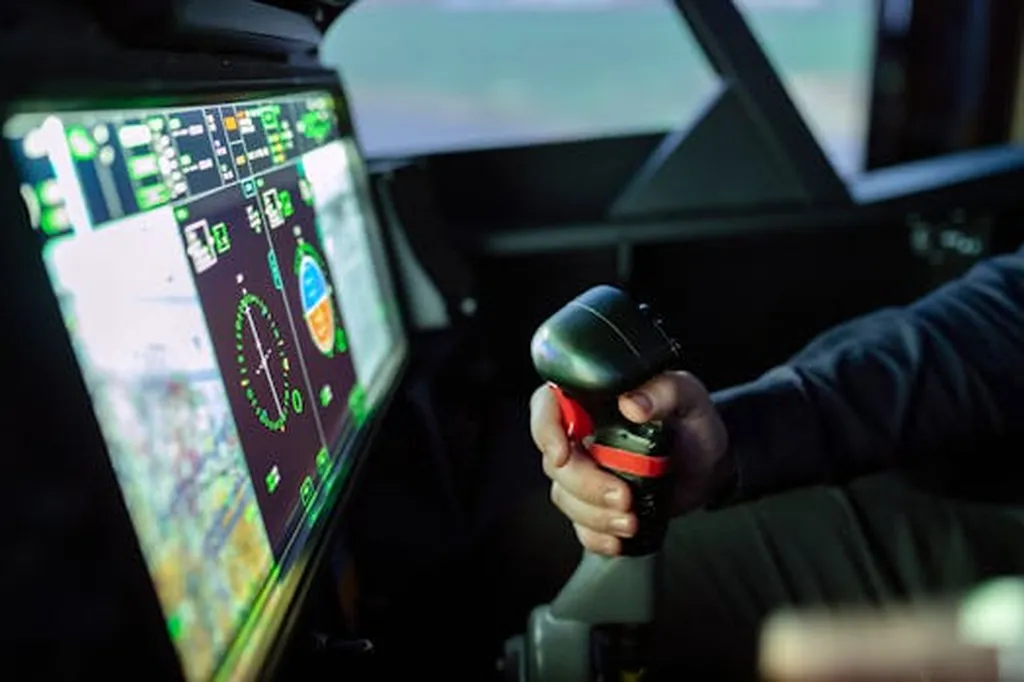
In a recent study published in the journal ‘Frontiers in Education’ (translated from the original ‘Frontiers in Education’), researchers from Politeknik Maritim AMI Makassar in Indonesia have shed light on the experiences of maritime cadets using bridge simulators for terrestrial navigation training. The study, led by Alwi Sibali, offers a fresh perspective on how these high-tech tools are perceived and utilized by the next generation of maritime professionals.
Bridge simulators have become a staple in maritime education, offering a safe and controlled environment for cadets to practice navigation skills. However, much of the existing research has focused on the technical aspects of these simulators, often overlooking the learner’s perspective. Sibali’s study aims to bridge this gap by exploring how 30 final-year cadets at Politeknik Maritim AMI Makassar experience and interpret the use of bridge simulators.
The study employed a qualitative descriptive approach, triangulating data from semi-structured interviews, direct observation, and document analysis. This method allowed the researchers to delve deep into the cadets’ experiences, uncovering four key themes: Visual Realism and Situated Cognition, Bridging Theory and Practice through Transfer of Learning, Psycho-Social Dynamics, and Instructional Scaffolding and Design Constraints.
One of the most significant findings was the simulator’s ability to bridge the gap between abstract theory and practical application. As one cadet put it, “The simulator makes it easier to understand the theory because you can see it in action.” However, the study also highlighted several challenges, including cognitive overload, “transfer gaps” under pressure, and anxiety within the socio-technical environment.
These findings have significant implications for the maritime industry. As the sector continues to embrace digitalization and automation, the need for well-trained, tech-savvy professionals is more critical than ever. Bridge simulators offer a valuable tool for developing these skills, but their effectiveness depends on how they are integrated into the curriculum and how instructors are trained to use them.
Sibali’s study offers actionable policy recommendations for optimizing simulator pedagogy in developing maritime nations. These include improving the visual realism of simulators, providing better instructional scaffolding, and addressing the psycho-social dynamics that can impact learning.
For maritime professionals, this research underscores the importance of investing in high-quality simulation-based learning tools and ensuring they are used effectively. As the industry continues to evolve, those who embrace these technologies and adapt their training programs accordingly will be best positioned to meet the demands of the future.
In the words of another cadet, “The simulator is a great tool, but it’s not a magic solution. It’s up to us to make the most of it.” This sentiment captures the essence of the study’s findings and serves as a call to action for the maritime industry.